



What's Happening?
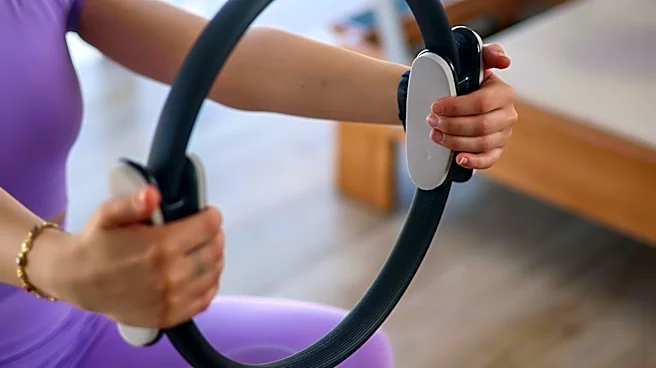
Les Mills, a global fitness company, is expanding its new Reformer Pilates program into fitness clubs across the United States and the United Kingdom. This expansion aims to make reformer Pilates more accessible to a wider audience. Summer Bradley, co-creator
of the Les Mills Reformer class concept, highlights the program as a challenging yet enjoyable workout set to music, guided by instructors, and suitable for all fitness levels. For individuals unable to access a reformer studio, Bradley suggests using sliders or even socks on a hardwood floor with mat Pilates to replicate the smooth motion of a reformer, allowing for an effective workout at home. The program emphasizes building strength, control, coordination, and balance, contributing to overall longevity. The rollout includes specific exercises that can be adapted for home use with sliders, such as the 'Scooter' for glutes and quads, 'Hip bridge with hamstring extension' for hamstrings, glutes, and lower back, and 'Slider plank' for core and upper body stability.
Why It's Important?
The expansion of Les Mills Reformer Pilates is significant for the U.S. fitness industry as it democratizes access to a popular, often premium, workout modality. Reformer Pilates, traditionally associated with specialized studios and higher costs, becomes more available through mainstream fitness clubs, potentially attracting a new demographic of participants. This move could increase competition among fitness providers, encouraging more clubs to invest in diverse and specialized programming. For consumers, it means greater convenience and affordability in accessing reformer-style workouts, which are known for their comprehensive benefits in strength, flexibility, and injury prevention. The emphasis on at-home adaptations also caters to the growing demand for flexible fitness solutions, allowing individuals to maintain their routines regardless of studio access. This initiative could also influence fitness equipment trends, boosting the market for accessories like sliders that facilitate reformer-like movements at home.
What's Next?
As Les Mills Reformer Pilates continues its rollout, fitness clubs in the U.S. and U.K. are expected to integrate these classes into their schedules, potentially leading to increased membership and class participation. The company will likely focus on training more instructors to meet the demand for these specialized classes. We may also see further development of at-home workout content and equipment by Les Mills or competitors, as the market for accessible Pilates solutions grows. The success of this expansion could prompt other fitness brands to introduce similar reformer-inspired programs or equipment, fostering innovation within the group fitness sector. Additionally, consumer feedback and participation rates will likely guide future program enhancements and geographical expansion efforts, solidifying reformer Pilates as a staple offering in mainstream gyms.
Beyond the Headlines
The broader implication of Les Mills' expansion into reformer Pilates reflects a significant shift in the fitness landscape towards specialized, yet accessible, training methods. This move highlights the industry's response to consumer demand for effective, low-impact workouts that offer tangible results in physical conditioning and overall well-being. It also underscores the ongoing trend of blending traditional studio-based practices with mainstream gym environments, making niche fitness disciplines more inclusive. Ethically, this increased accessibility can help bridge gaps in health and wellness, allowing a broader segment of the population to benefit from advanced fitness techniques that were once exclusive. Culturally, it reinforces the value placed on holistic fitness, combining physical strength with mental focus and body awareness, moving beyond purely high-intensity training models.