







What's Happening?
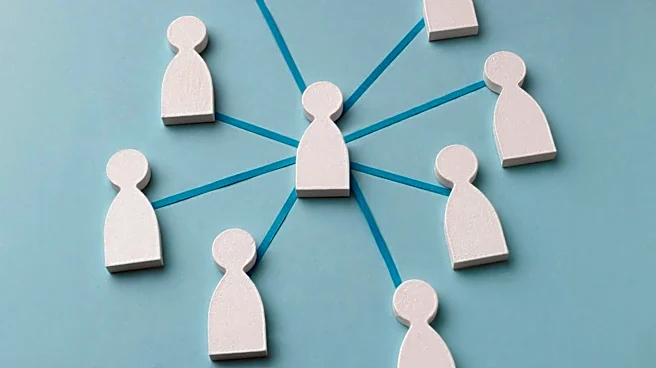
Adam Grant's new book, "Vibe: The Secret of Strong Connections in a Lonely World," introduces a categorization of relationships into four distinct types: Associates, Allies, Pals, and Companions. Associates are individuals beyond mere acquaintances but
lack deep bonding. Allies are people who collaborate towards a shared objective. Pals are those who share common interests, such as hobbies or activities. Companions represent the deepest connection, characterized by shared core values and a profound, enduring bond. This framework offers a structured way to understand the various roles people play in one's life. Additionally, another perspective categorizes relationships based on their function, such as those for fun, business discussions, hobbies, or confiding in. This broader view also includes people one complains to, discusses travel or weather with, or shares experiences with, highlighting the diverse nature of human connections.
Why It's Important?
This categorization provides a valuable framework for individuals to assess and manage their social networks more effectively. Understanding the different types of relationships can help people set realistic expectations for each connection, preventing disappointment by recognizing that not every relationship can or should be a deep companionship. For instance, expecting a political discussion with someone who is merely a 'Pal' might lead to conflict, especially in today's polarized environment. This approach encourages acceptance of relationships as they are, rather than trying to force them into a different mold. By identifying the specific nature of each relationship, individuals can better appreciate the unique contributions each person brings to their life, fostering healthier and more sustainable social interactions. This understanding can also guide individuals in seeking out specific types of connections to fulfill different social needs.
What's Next?
The introduction of these relationship categories may encourage individuals to reflect on their existing connections and consciously cultivate a more balanced and fulfilling social life. People might start evaluating their relationships through this lens, leading to a re-evaluation of how they invest their time and emotional energy. This framework could also influence how individuals approach new connections, potentially guiding them to seek out specific types of relationships based on their current needs. Furthermore, the concept of accepting relationships for what they are, rather than what one wishes them to be, could lead to reduced interpersonal stress and improved overall well-being. This shift in perspective might also foster greater tolerance and understanding in diverse social settings, particularly when navigating sensitive topics like politics.
Beyond the Headlines
The deeper implication of categorizing relationships lies in its potential to enhance emotional intelligence and self-awareness. By consciously identifying the nature of their relationships, individuals can gain insight into their own needs and how those needs are met (or not met) by their social circle. This can lead to more intentional relationship building, where individuals actively seek out connections that fulfill specific emotional, intellectual, or social requirements. Moreover, in an increasingly interconnected yet often isolated society, such frameworks can serve as tools to combat loneliness by encouraging individuals to recognize and value the diverse forms of connection available to them. It also subtly promotes the idea that not all relationships need to be intensely deep to be meaningful, thereby broadening the scope of what constitutes a valuable human connection.