





What's Happening?
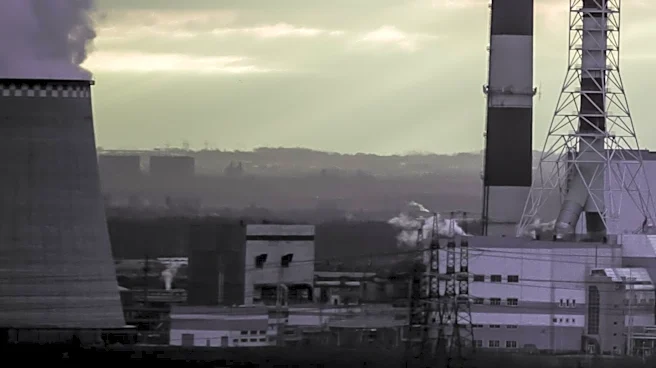
U.S. Steel has unveiled its latest investment in the Edgar Thomson plant in Braddock, Pennsylvania, with plans to build a new hot strip mill. This project, part of a $2.5 billion investment by new owners Nippon Steel, aims to modernize the plant and improve
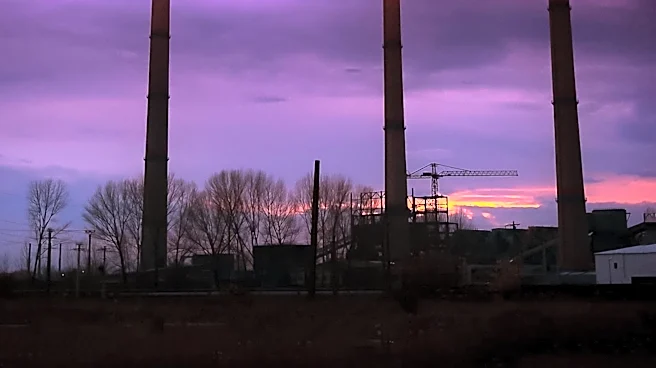
efficiency by replacing an older operation at the nearby Irvin Works. The new mill is expected to reduce energy use and increase productivity, allowing U.S. Steel to produce higher grades of steel. However, the project has sparked a debate within the Braddock community, with some residents supporting the economic benefits and others concerned about environmental impacts. The plant is a significant source of air pollution in the area, and environmental groups are urging the company to adopt cleaner technologies.
Why It's Important?
The investment in the Edgar Thomson plant is crucial for U.S. Steel's competitiveness and the local economy, as the plant employs around 3,000 union workers. However, the environmental implications are significant, as the plant is a major source of air pollution in Allegheny County. The community is divided, with some residents prioritizing economic stability and others advocating for environmental health. The project highlights the ongoing tension between industrial development and environmental sustainability, a critical issue for communities reliant on heavy industry. The outcome of this debate could influence future industrial investments and environmental policies in the region.
What's Next?
U.S. Steel plans to begin production at the new hot strip mill in 2029, with expectations of lower emissions compared to the current operation. However, the project could also lead to increased carbon emissions, raising concerns about its environmental impact. The company is under pressure to improve its environmental performance and may face regulatory scrutiny. Community engagement and dialogue with environmental groups will be essential to address concerns and find a balance between economic and environmental priorities. The success of this project could set a precedent for how industrial companies navigate similar challenges in the future.