




What's Happening?
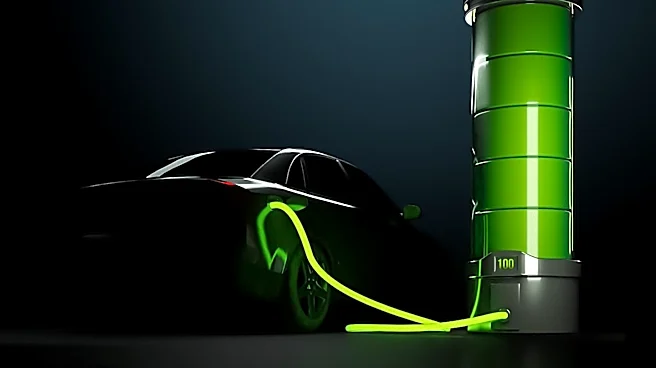
A recent report highlights that modern electric vehicle (EV) batteries have a longer lifespan than previously expected, challenging concerns about battery longevity. According to The Wall Street Journal, advancements in battery chemistry, thermal regulation,
and management have extended the lifespan of EV batteries. A study by the University of Birmingham and the London School of Economics found that modern EVs can last an average of 18.4 years, comparable to internal combustion engine vehicles. Data from Recurrent, an EV battery analysis firm, shows that EVs maintain up to 97% of their original range after three years and 95% after five years.
Why It's Important?
The findings about the extended lifespan of EV batteries address a major concern for potential EV buyers, who worry about the cost and frequency of battery replacements. This development could encourage more consumers to transition from internal combustion engine vehicles to electric ones, supporting the growth of the EV market. Longer-lasting batteries also enhance the economic viability of EVs, as they reduce the total cost of ownership. This shift could lead to increased investments in EV technology and infrastructure, further accelerating the adoption of sustainable transportation solutions and contributing to environmental goals.
What's Next?
As the understanding of EV battery longevity improves, manufacturers may focus on further enhancing battery technology to increase efficiency and reduce costs. The automotive industry is likely to see increased competition as companies strive to offer vehicles with superior battery performance. Policymakers may also consider these findings when developing regulations and incentives to promote electric vehicle adoption. Consumer education on the benefits of EVs, including their long lifespan, will be crucial in driving market growth. The industry may also explore recycling and repurposing strategies for used batteries to maximize their environmental benefits.