






What's Happening?
California's largest planned AI data center, Imperial Valley Computer Manufacturing, has filed a lawsuit to access Colorado River water after its initial plan to use recycled wastewater for cooling was rejected by local cities. The company requires approximately
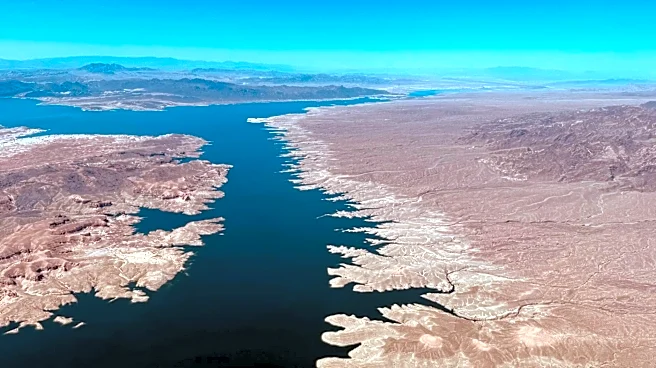
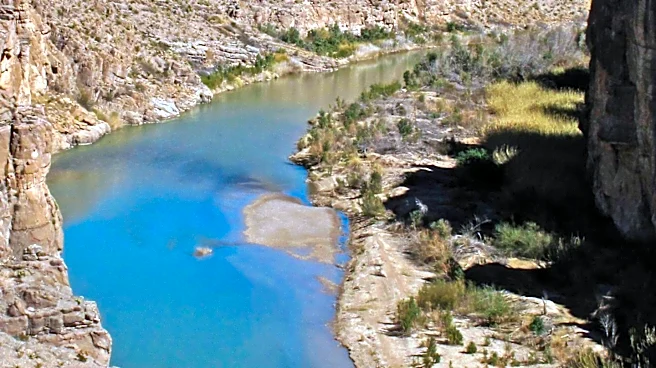
287 million gallons of water annually to cool its proposed 330-megawatt facility, which would be the largest AI data center in the state. Initially, the company intended to use treated wastewater from the cities of El Centro and Imperial, but both cities declined the request. Consequently, the company is now seeking access to Colorado River water, raising concerns about the impact on regional agriculture. The Imperial Irrigation District, which manages the river's water, also denied the company's request. The company plans to purchase nearby farmland and transfer its water rights to the data center, arguing that the water usage would be similar to that of a 160-acre farm.
Why It's Important?
The lawsuit highlights the ongoing tension between technological development and environmental resource management. The Colorado River is a critical water source for approximately 40 million people across seven western U.S. states, with agriculture consuming a significant portion of its allocation. The data center's request has sparked opposition due to potential impacts on farming, which is a major economic driver in the region. While the project promises economic benefits, including job creation and significant economic impact over 30 years, critics argue that it could lead to job losses in agriculture and related industries. The case underscores the challenges of balancing technological advancement with sustainable resource management.
What's Next?
The legal proceedings will determine whether the data center can access the Colorado River water. If successful, the company plans to proceed with its strategy of acquiring farmland and transferring water rights. The outcome could set a precedent for future resource allocation disputes between industrial and agricultural interests. Stakeholders, including local governments, environmental groups, and agricultural communities, are likely to continue voicing their concerns and seeking solutions that balance economic growth with environmental sustainability.