






What's Happening?
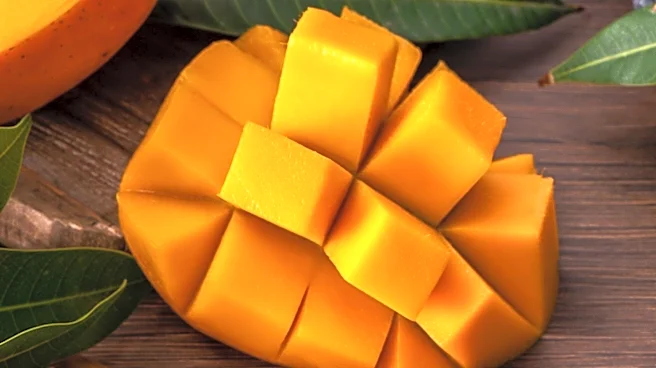
New research published in Food Science and Biotechnology indicates that a biodegradable biocomposite coating made from cassava starch and keratin significantly extends the shelf life of mangoes. This edible coating, applied using a dip-coating method,
increased mango storage life by 61.48% under ambient conditions. Researchers developed and evaluated various ratios of cassava starch and keratin, finding that a 37:3 weight ratio demonstrated superior barrier and mechanical properties. This optimized formulation exhibited the lowest moisture content (17.86%), lowest water absorption (78.4%), and lowest water vapor permeability (0.175×10⁻⁶ grams per meter per Pascal per hour). When applied to mangoes, the coating effectively reduced disease development, slowed weight loss, delayed ripening, maintained tissue firmness, decelerated peel color changes, and preserved higher levels of vitamin C compared to uncoated control fruits. The study highlights the potential of plant- and protein-derived edible coatings as sustainable postharvest treatments to prevent premature spoilage.
Why It's Important?
This development is significant for the agricultural and food industries, particularly in regions where mangoes are a major crop and post-harvest losses are substantial. Extending the shelf life of mangoes by over 60% without refrigeration can reduce food waste, increase market reach for producers, and potentially lower costs for consumers. The use of biodegradable materials like cassava starch and keratin offers an environmentally friendly alternative to synthetic preservation methods, aligning with growing consumer demand for sustainable food practices. This innovation could also benefit supply chains by allowing for longer transportation times and broader distribution, making fresh mangoes more accessible in various markets. Furthermore, maintaining nutritional quality, such as vitamin C levels, adds value to the product, promoting healthier food options.
What's Next?
The researchers emphasize that further pilot-scale validation trials and comprehensive sensory evaluations are necessary before assessing practical commercial applications of this cassava starch-keratin biocomposite coating. These next steps will involve testing the coating on a larger scale to confirm its efficacy and consistency in real-world conditions. Sensory evaluations will be crucial to ensure that the coating does not negatively impact the taste, texture, or appearance of the mangoes, which is vital for consumer acceptance. If these trials are successful, the technology could move towards commercialization, potentially leading to new product lines for fruit preservation companies and wider adoption by mango growers and distributors. Further research might also explore the applicability of this coating to other types of fruits and vegetables.
Beyond the Headlines
The success of this biocomposite coating points to a broader trend in food science towards sustainable and natural preservation methods. The utilization of agricultural by-products like cassava starch and keratin, which can be sourced from various biological materials, represents a circular economy approach to food production. This innovation could inspire further research into other novel biocomposite materials for food packaging and preservation, reducing reliance on petroleum-based plastics and chemical preservatives. The economic implications extend beyond direct sales, potentially fostering new industries for biopolymer production and application technologies. Ethically, reducing food waste aligns with global sustainability goals and efforts to improve food security, especially in developing nations where post-harvest losses are a critical issue. This research underscores the potential for biotechnology to address complex challenges in the global food system.