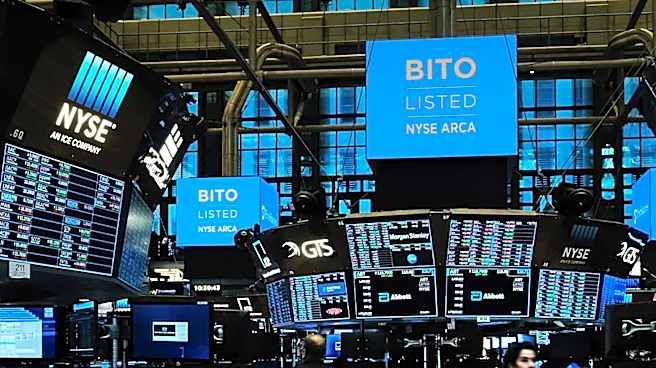







What's Happening?
Reformation, a sustainable fashion brand, recently went public with an initial public offering (IPO) that saw little movement, reflecting a broader trend among consumer companies. Alongside Jersey Mike's, Reformation's IPO was part of a small group of consumer companies going
public in 2026. The IPO market has cooled significantly since the boom of 2021, with fewer companies opting to go public. Experts attribute this to a variety of factors, including access to capital in private markets and the rise of secondary markets, which provide liquidity without the need for public transparency. This trend is further fueled by the interest of family offices and large asset managers in private investments.
Why It's Important?
The decision by companies like Reformation to remain private longer has significant implications for the public markets and the economy. It suggests a shift in how companies view the benefits of being publicly traded, with many finding more value in private capital and secondary markets. This trend could lead to fewer investment opportunities for public market investors and may impact the overall dynamism of the stock market. Additionally, it highlights the challenges public markets face in attracting new listings, which could lead to calls for regulatory changes to make public markets more appealing.
What's Next?
As the trend of staying private continues, it is likely that more companies will explore alternative funding routes, such as secondary markets and private equity. This could lead to a reevaluation of the role of public markets in the economy and potentially prompt regulatory changes to make IPOs more attractive. Companies that have the potential to go public may delay their IPOs until market conditions improve, which could result in a backlog of companies ready to enter the public markets once conditions are favorable.