






What's Happening?
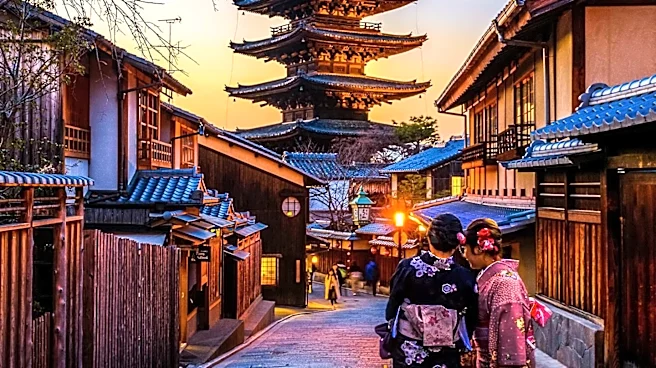
Kyoto, Japan, is a city renowned for its deep cultural heritage, featuring numerous historic temples, shrines, and traditional wooden buildings. Visitors to Kyoto can explore iconic landmarks such as Fushimi Inari Taisha, famous for its thousands of red
torii gates, and the Kiyomizu-dera Temple. The city provides a wide array of accommodation options, catering to various preferences and budgets. These range from luxurious establishments like ROKU KYOTO, part of the LXR Hotels & Resorts - Hilton portfolio, to authentic machiya townhouses, exemplified by Genji Kyoto Machiya. For travelers with limited time, a day trip from Tokyo is feasible via the shinkansen (bullet train). However, to fully immerse oneself in Kyoto's offerings and appreciate its cultural depth, it is highly recommended to allocate at least two days for a visit. The city's blend of historical authenticity and modern comfort makes it a unique destination for both short and extended stays.
Why It's Important?
Kyoto's appeal as a premier cultural destination in Japan holds significant importance for the global tourism industry and cultural exchange. Its well-preserved historical sites and traditional architecture attract millions of international visitors annually, contributing substantially to Japan's economy through tourism revenue. The availability of diverse lodging, from high-end resorts to traditional machiya, showcases the city's commitment to accommodating a broad spectrum of travelers while preserving its unique heritage. This balance helps sustain local crafts, traditional arts, and small businesses that cater to tourists. Furthermore, Kyoto serves as a vital center for understanding Japanese history and spirituality, offering educational and enriching experiences that foster cross-cultural appreciation. The city's accessibility from major hubs like Tokyo via efficient transportation systems like the shinkansen further enhances its role as a key gateway to Japanese culture, making it a critical component of the nation's tourism strategy.
What's Next?
Kyoto is expected to continue its efforts in promoting sustainable tourism and preserving its cultural assets while enhancing visitor experiences. Future developments may include further integration of technology to improve tourist services, such as digital guides and online booking platforms for attractions and accommodations. There could also be an increased focus on promoting lesser-known historical sites and local experiences to distribute tourist traffic more evenly and support a wider range of local communities. The city may also explore initiatives to manage over-tourism in popular areas, ensuring the long-term sustainability of its cultural heritage. Additionally, collaborations between luxury hotel brands and traditional guesthouses are likely to evolve, offering unique hybrid experiences that blend modern amenities with authentic Japanese hospitality. Efforts to improve multilingual support and accessibility for international visitors will also likely be ongoing.
Beyond the Headlines
Beyond its immediate tourism appeal, Kyoto's dedication to preserving its machiya townhouses, like Genji Kyoto Machiya, highlights a broader cultural commitment to maintaining traditional Japanese urban landscapes. These efforts are crucial in an era of rapid modernization, offering a tangible link to Japan's past and a unique architectural heritage that distinguishes it from other global cities. The blend of traditional design with contemporary comforts in these accommodations reflects a thoughtful approach to heritage conservation, demonstrating that historical structures can be adapted for modern living without sacrificing their essence. This approach also fosters a deeper appreciation for Japanese aesthetics and craftsmanship among visitors. Furthermore, Kyoto's role as a spiritual center, with its numerous temples and shrines, continues to influence global perceptions of mindfulness and tranquility, offering a counter-narrative to the fast-paced modern world and attracting those seeking spiritual enrichment and cultural immersion.