

What's Happening?
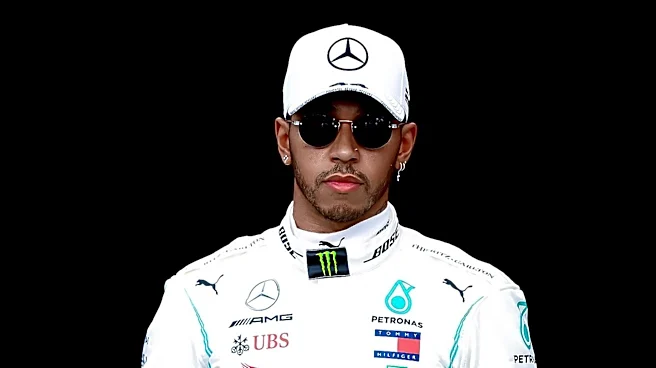
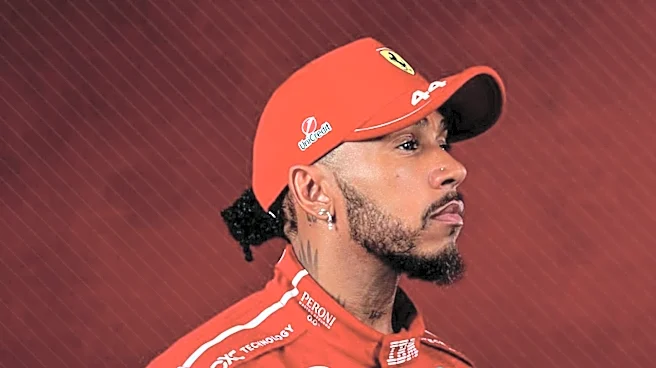
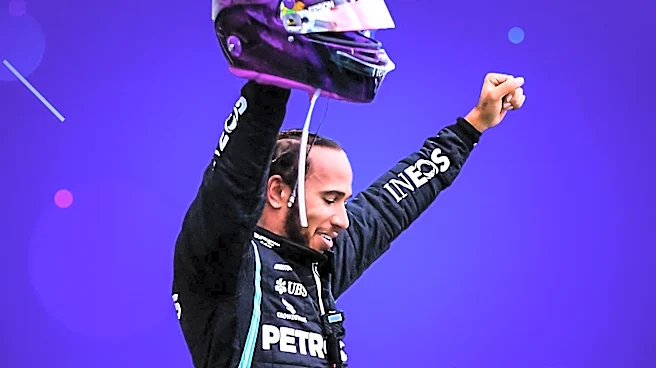
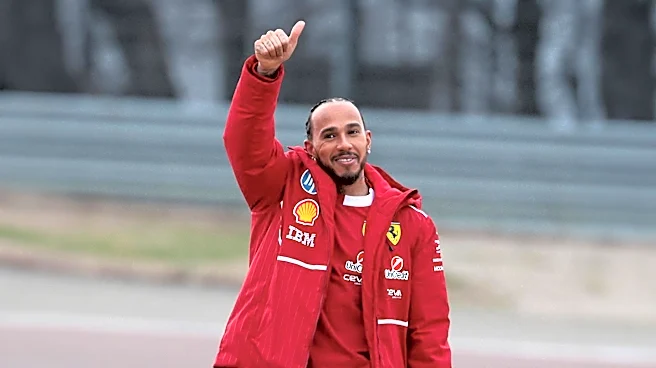
Lewis Hamilton, standing at 174cm (5 feet 8 inches), is among the shorter drivers on the 2026 Formula 1 grid. Despite his height, Hamilton's performance has not been hindered, as he continues to compete at the highest level, now driving for Ferrari alongside
Charles Leclerc. The minimum weight regulations for drivers and seats, raised to 82kg in 2025, have minimized the competitive advantage previously held by lighter drivers. Hamilton's consistent weight of around 73kg, maintained through a vegan diet, supports his physical conditioning necessary for the demands of F1 racing.
Why It's Important?
The discussion around Hamilton's height and weight highlights the evolving nature of competitive advantages in Formula 1. The shift in regulations to separate driver and car weight has leveled the playing field, allowing drivers of varying statures to compete more equally. This change reflects broader efforts within the sport to prioritize driver safety and performance over physical attributes. Hamilton's success despite his height challenges traditional perceptions of driver physique, emphasizing skill and conditioning over size. This evolution in F1 regulations could influence future talent scouting and training practices, focusing more on driver capabilities than physical characteristics.