





What's Happening?
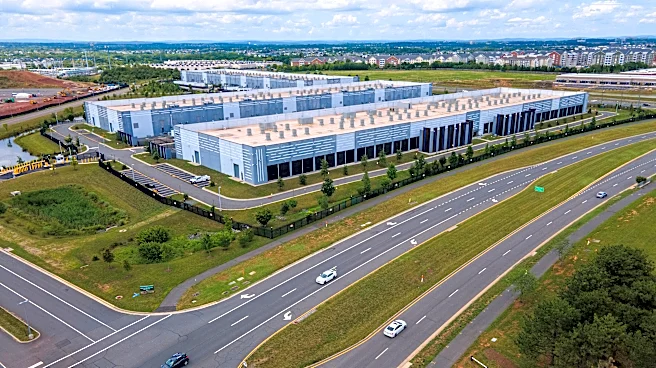
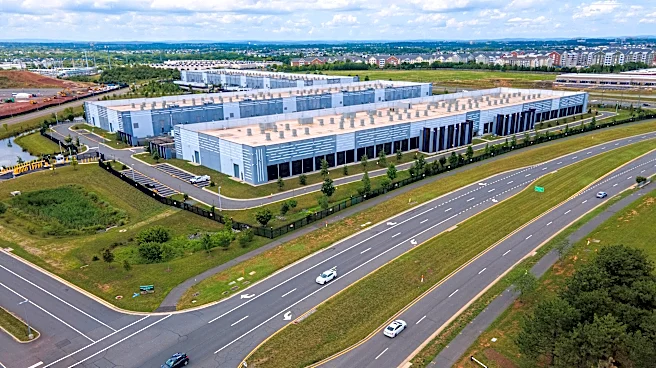
Bitcoin mining companies, including Cipher Digital, IREN, and Core Scientific, are increasingly leveraging their existing power and data center infrastructure to support artificial intelligence (AI) and high-performance computing workloads. This shift
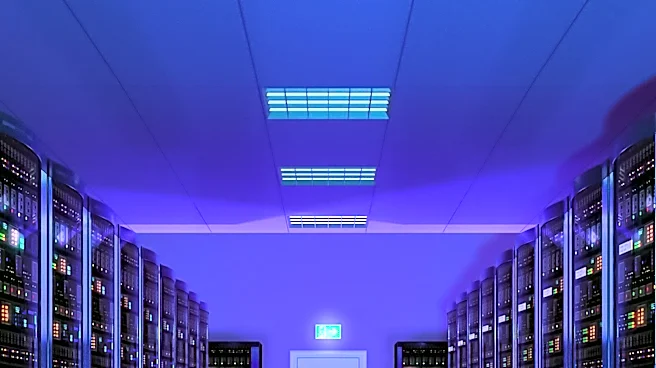
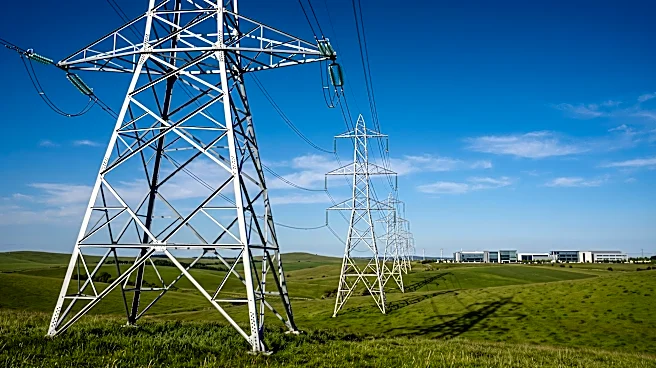
is driven by the significant demand for electricity and data center capacity from the booming AI industry. Historically, Bitcoin mining focused on securing cheap electricity to power mining machines and produce Bitcoin, with profitability tied to Bitcoin's price, mining difficulty, and energy costs. However, the AI boom has created a new opportunity for these miners, as they possess valuable assets: established power capacity, land, and grid connections. Building new data centers for AI is constrained by the availability of substantial electricity, which can take years to secure and connect to the grid. This positions Bitcoin miners, who have already invested in and secured such infrastructure, as potential key players in the AI computing space.
Why It's Important?
This strategic pivot by Bitcoin miners has significant implications for both the cryptocurrency and AI industries. For Bitcoin miners, it offers a pathway to diversify revenue streams beyond the volatile cryptocurrency market. AI hosting can provide more predictable, longer-term contracts, reducing reliance on Bitcoin's price fluctuations. For the AI industry, this development could help alleviate the critical bottleneck of power availability for data centers. The rapid expansion of AI computing requires immense amounts of electricity, and the existing infrastructure of Bitcoin miners presents a ready-made solution that can accelerate AI development and deployment. Investors are now re-evaluating Bitcoin mining companies not just on their crypto mining capabilities, but on their power infrastructure and potential to serve the AI sector. This could lead to a redefinition of what constitutes a 'Bitcoin miner,' with some evolving into broader digital infrastructure businesses.
What's Next?
The industry is likely to see a gradual bifurcation, with some companies remaining dedicated Bitcoin miners and others transforming into digital infrastructure providers where Bitcoin mining is just one application for their power resources. Key considerations for this transition include whether the existing power infrastructure is adequately connected and can be brought online quickly, and if the sites possess the necessary networking capabilities for AI workloads. Not all Bitcoin mining facilities will be suitable for conversion into AI data centers, and companies will need to address these specific requirements. Investors will increasingly scrutinize the power assets and AI readiness of these companies. If the demand for electricity from AI continues to surge, access to power, rather than just Bitcoin production, could become the most valuable asset for these firms.
Beyond the Headlines
This trend highlights a broader economic and technological convergence, where infrastructure developed for one cutting-edge industry (cryptocurrency) finds new utility in another (AI). It underscores the increasing importance of energy infrastructure as a foundational element for technological advancement. The ethical implications revolve around resource allocation and environmental impact. While Bitcoin mining has faced criticism for its energy consumption, repurposing this infrastructure for AI could be seen as a more efficient use of existing resources, potentially mitigating the need for entirely new energy projects. It also raises questions about the future of decentralized technologies like Bitcoin if the underlying infrastructure becomes increasingly centralized around AI demands. This shift could also influence regulatory discussions around energy consumption in tech, as the lines between crypto and AI infrastructure blur.