






What's Happening?
A popular Safeway store located on Bollinger Road in the Orchard Farms Shopping Center in San Jose, California, is scheduled to close its doors on November 13. This closure marks the end of an era for many local residents who have frequented the store for decades.
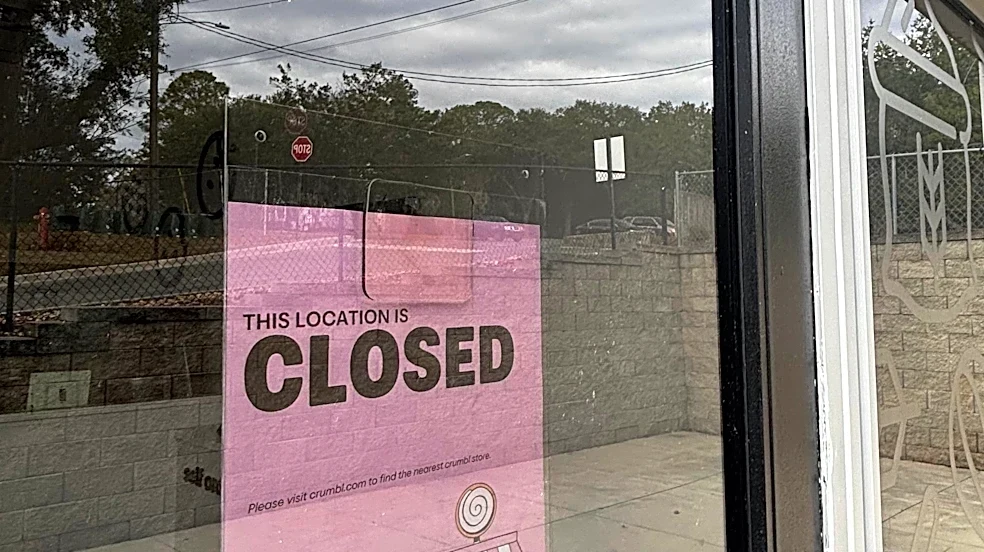
The announcement was made via a sign posted outside the establishment. This particular Safeway location has been a significant part of the community, with some residents expressing that they have shopped there for generations and will miss the convenience and the memories associated with it. The closure is also expected to create a gap in services, particularly for those who shop during off-hours. This San Jose closure follows a trend of other Safeway stores shutting down in various California cities over the past two years, including San Francisco, Pinole, Vallejo, and Hayward. NBC Bay Area has attempted to contact Albertsons, Safeway's parent company, for comment regarding the closure but has not yet received a response.
Why It's Important?
The closure of the Safeway store on Bollinger Road has significant implications for the local community in San Jose. For long-time residents, it represents a loss of a familiar and convenient shopping destination, impacting daily routines and potentially increasing travel times for groceries. The store's departure could also lead to reduced access to fresh food options, especially for individuals without reliable transportation or those who rely on shopping during less conventional hours. Economically, the closure will result in job losses for the store's employees, contributing to local unemployment figures. Furthermore, the vacant retail space in the Orchard Farms Shopping Center could negatively affect other businesses in the area by reducing foot traffic. This event reflects broader trends in the retail grocery sector, where competition from online retailers and larger chains, coupled with rising operational costs, can lead to store consolidations and closures, impacting local economies and consumer choices across the U.S.
What's Next?
Following the announced closure on November 13, the immediate next steps will involve the Safeway store ceasing operations and the subsequent vacating of the premises. The community will likely need to adjust to new shopping patterns, with residents seeking alternative grocery options in neighboring areas. Local officials and community groups may explore initiatives to mitigate the impact of the closure, such as attracting new businesses to the vacant retail space or supporting local food access programs. Albertsons, Safeway's parent company, may eventually issue a statement regarding the reasons behind the closure, which could shed light on broader corporate strategies or market conditions influencing such decisions. The closure could also prompt discussions among local policymakers about urban planning and the availability of essential services in residential areas, particularly concerning the impact on vulnerable populations.
Beyond the Headlines
The closure of the Safeway store on Bollinger Road extends beyond a simple business decision, touching upon the evolving landscape of American retail and community infrastructure. It highlights the challenges faced by traditional brick-and-mortar grocery stores in an era dominated by e-commerce and shifting consumer habits. The emotional response from long-time customers underscores the role these establishments play as community hubs, not just places of commerce. The loss of such a store can erode the social fabric of a neighborhood, as it often serves as a point of regular interaction for residents. This trend of retail closures in established neighborhoods raises questions about food deserts and equitable access to resources, particularly for elderly residents or those with limited mobility who rely on nearby services. The incident serves as a microcosm of the broader economic pressures and demographic shifts influencing urban and suburban development across the United States.