







What's Happening?
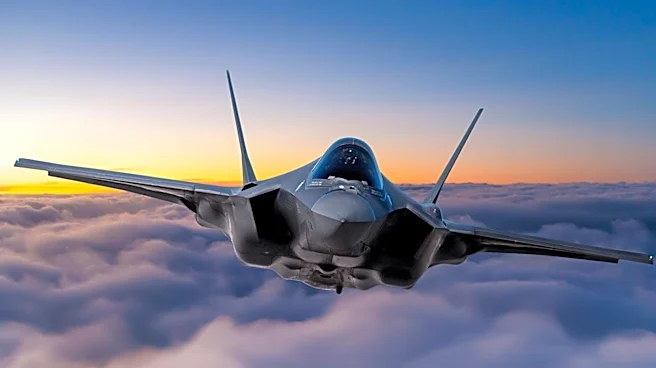
Lockheed Martin Corp has been awarded a $114.63 million contract to enhance critical navigation components of the F-35 Lightning II aircraft. This initiative focuses on redesigning and upgrading two pivotal navigation systems: the Global Positioning System
Electronic Unit and the NAV100 Inertial Navigation System. The primary goal is to replace obsolete electronic components to ensure continued compatibility with current F-35 aircraft and maintain system performance. The redesign is specifically structured to prevent production delays and mitigate risks associated with diminishing manufacturing sources, thereby safeguarding the ongoing production and maintenance of the F-35 fleet. The project is expected to be completed by January 2030. Funding for this contract includes $46.41 million from FY26 aircraft procurement and $21.81 million contributed by international F-35 cooperative program partners. The Naval Air Systems Command awarded this contract without competitive bidding, highlighting Lockheed Martin's established role as the world's largest defense contractor.
Why It's Important?
This contract is significant for several reasons, primarily reinforcing Lockheed Martin's critical role in U.S. defense aerospace and its global partnerships. The F-35 Lightning II program is the largest defense program in history, and ensuring its continued operational capability is paramount for national security and allied defense strategies. By upgrading obsolete components, the contract directly addresses potential vulnerabilities in the F-35's navigation systems, which are vital for mission success and pilot safety. The proactive approach to mitigate risks from diminishing manufacturing sources ensures the long-term viability and readiness of the F-35 fleet, preventing costly disruptions in production and maintenance. This sustained investment in advanced defense capabilities underscores the ongoing commitment to maintaining technological superiority in military aviation. For Lockheed Martin, this contract solidifies its position as a leading defense contractor, securing future revenue streams and demonstrating its capacity to deliver essential upgrades for complex military platforms.
What's Next?
The project is slated for completion by January 2030, indicating a multi-year effort to integrate the redesigned navigation systems into the F-35 fleet. Over this period, Lockheed Martin will focus on the engineering, development, and testing phases of the Global Positioning System Electronic Unit and the NAV100 Inertial Navigation System. The successful execution of this contract will likely lead to further opportunities for Lockheed Martin in maintaining and upgrading the F-35, as well as other defense platforms, given the continuous need for technological advancements and component modernization in military hardware. International F-35 cooperative program partners' contributions suggest ongoing collaboration and shared investment in the F-35's capabilities, which could lead to future joint ventures or expanded contracts. The Naval Air Systems Command will continue to oversee the project, ensuring adherence to specifications and timelines, and its successful completion will be crucial for the operational readiness of the F-35 fleet globally.
Beyond the Headlines
This contract highlights a broader trend in the defense industry: the continuous cycle of modernization and sustainment required for complex military assets. Even advanced platforms like the F-35 necessitate regular upgrades to counter obsolescence and adapt to evolving threats. The non-competitive award underscores the specialized expertise and established trust that defense contractors like Lockheed Martin have built with government agencies, often making them indispensable for critical programs. This reliance also raises questions about competition and innovation within the defense sector, as smaller firms may find it challenging to enter such specialized markets. Furthermore, the international contributions to the funding emphasize the interconnectedness of global defense strategies and the shared burden of maintaining advanced military capabilities among allies. The long-term nature of such contracts also provides stability for the defense industry, influencing employment, research and development, and technological advancements for decades.