







What's Happening?
Sucralose, a widely used artificial sweetener, is gaining attention for its role in providing a calorie-free alternative to sugar. Known commercially as Splenda, sucralose is 600 times sweeter than sugar and is used in various products, including sugar-free
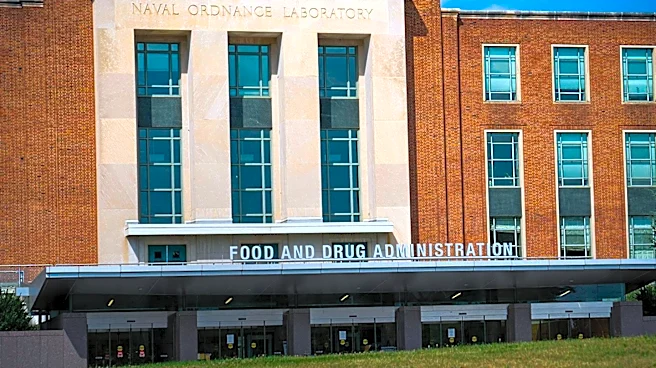
candies, sodas, and baked goods. Registered dietitian Katie Whitson explains that sucralose is derived from sucrose and is poorly absorbed by the human body, making it a zero-calorie sweetener. It is particularly beneficial for individuals managing diabetes or those seeking to reduce sugar intake without sacrificing sweetness. Despite its benefits, there are concerns about its impact on gut health and metabolism, although these are primarily based on animal studies. The U.S. Food and Drug Administration has approved sucralose as safe, but ongoing research continues to explore its long-term effects.
Why It's Important?
The use of sucralose is significant in the context of public health and dietary management. As obesity and diabetes rates rise, finding effective sugar substitutes is crucial for weight management and blood sugar control. Sucralose offers a way to enjoy sweet flavors without the added calories, which can aid in reducing overall sugar consumption. However, the potential health impacts, such as effects on the gut microbiome and metabolic health, highlight the need for further research. The debate over artificial sweeteners like sucralose reflects broader concerns about processed foods and their long-term health implications, influencing consumer choices and dietary guidelines.
What's Next?
Future research is expected to focus on the long-term health effects of sucralose, particularly its impact on human metabolism and gut health. As studies continue, consumers may see more detailed guidelines on the use of artificial sweeteners. Additionally, the market for alternative sweeteners, including plant-based options like Stevia and Monk fruit, may expand as consumers seek natural alternatives. Regulatory bodies may also update their recommendations based on new findings, influencing product formulations and labeling in the food industry.