


What's Happening?
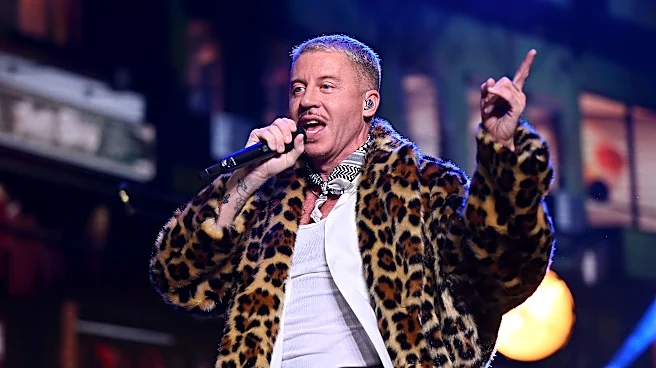
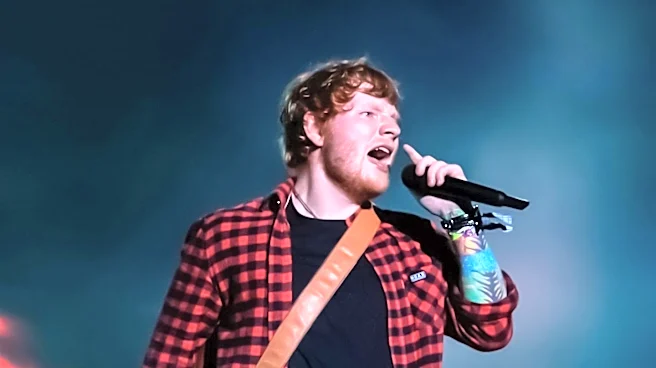
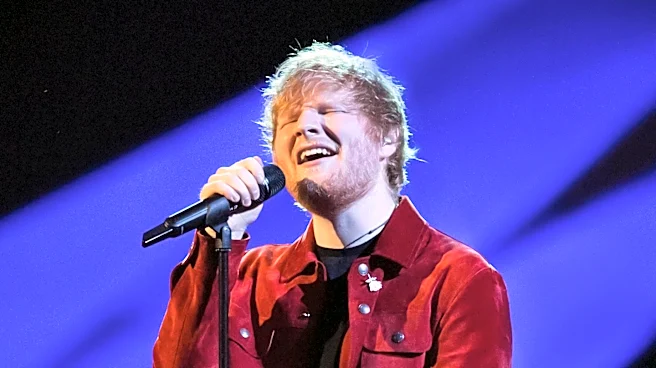
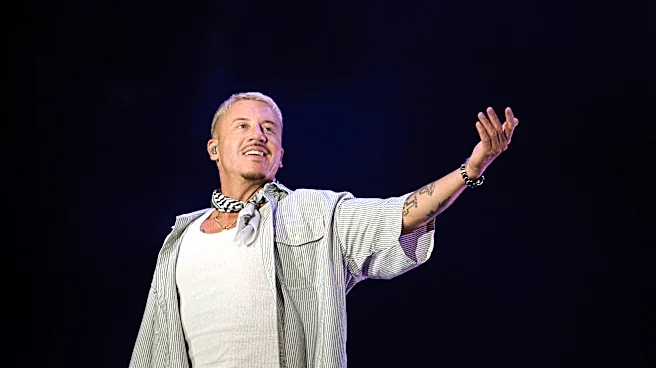
Rapper Macklemore is facing backlash and a petition for his removal from Ed Sheeran's U.S. tour after making pro-Palestinian statements and performing his anti-Israel protest song 'Hind's Hall' during his opening sets at MetLife Stadium in New Jersey.
During his performance, Macklemore called for a 'free Palestine' and displayed images from Gaza on stadium screens. He later clarified that his criticism of Israel was not directed at Jewish people, stating, 'Criticism of Israel, criticism of apartheid and opposition to genocide are in no way criticism of you.' He also extended his calls for freedom to Lebanon, Cuba, Congo, Sudan, and individuals in America living in fear of ICE. The controversy began when Macklemore informed the audience that a reason for joining Sheeran's tour was to use the platform to advocate for a 'free Palestine,' aiming for his words to reach people in Gaza and the occupied West Bank.
Why It's Important?
This incident highlights the increasing intersection of celebrity platforms and geopolitical issues, particularly the Israeli-Palestinian conflict, within the U.S. entertainment landscape. The immediate and strong reaction from groups like the Israeli-American Council, who initiated a petition for Macklemore's removal, underscores the sensitivity and divisiveness of these topics. For artists, it raises questions about the appropriate use of their stage for political advocacy and the potential consequences, including alienating segments of their audience or tour partners. For concert-goers, it transforms a music event into a political arena, potentially altering their experience and expectations. The situation also reflects broader societal debates in the U.S. regarding freedom of speech, artistic expression, and the responsibilities of public figures when addressing complex international conflicts.
What's Next?
The Israeli-American Council has launched a petition urging Ed Sheeran to remove Macklemore from the remaining dates of the U.S. tour. The outcome of this petition and whether Ed Sheeran or his management will respond to these demands remains to be seen. Macklemore has publicly defended his statements, emphasizing that his message is one of peace and equality for all human beings. Future performances on the tour will likely be scrutinized for similar political statements, and there could be ongoing protests or counter-protests. This event may also influence how other artists approach political commentary during their performances, potentially leading to more cautious stances or, conversely, inspiring more outspoken advocacy. The incident could also prompt further discussions within the music industry about guidelines for political expression during concerts.
Beyond the Headlines
The controversy surrounding Macklemore's performance delves into deeper implications concerning the role of artists as political commentators and the boundaries of free speech in commercial entertainment. It highlights the challenge of separating artistic expression from political activism, especially when global conflicts are involved. The strong reactions from both supporters and critics of Macklemore's stance reflect the polarized nature of discussions surrounding the Israeli-Palestinian conflict in the U.S. It also brings to light the pressure artists face from various advocacy groups to either take a stand or remain neutral. This incident could contribute to a broader cultural shift where audiences increasingly expect or reject political messaging from entertainers, thereby influencing future concert experiences and the public discourse around international issues.