

What's Happening?
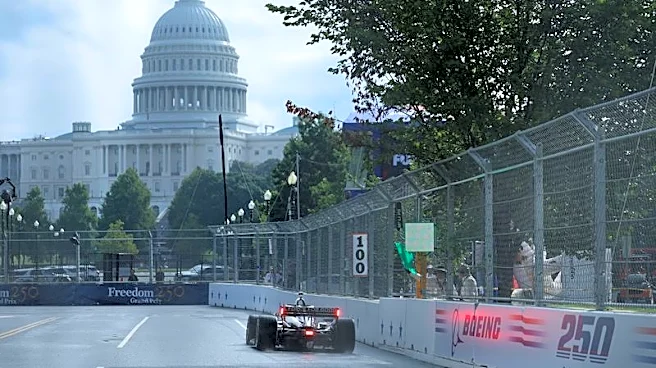
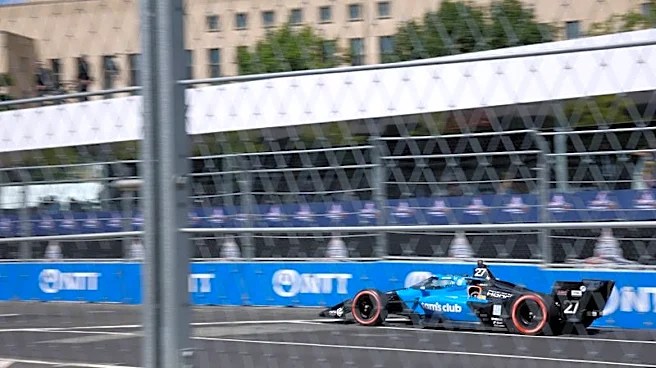
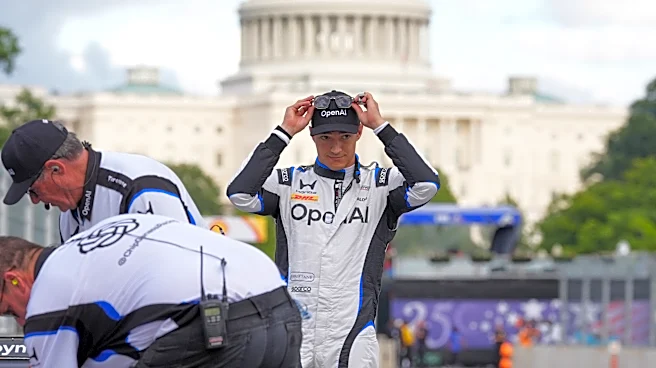
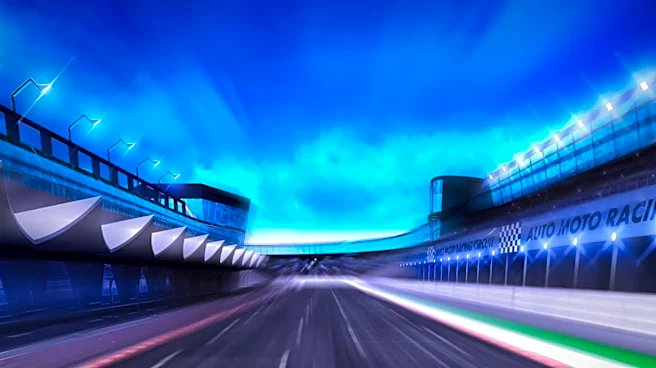
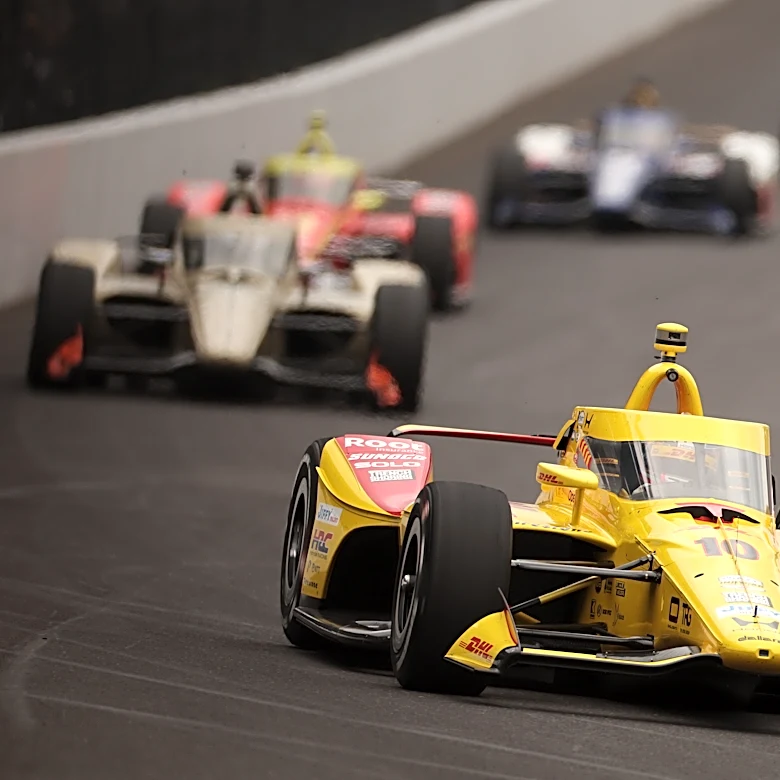
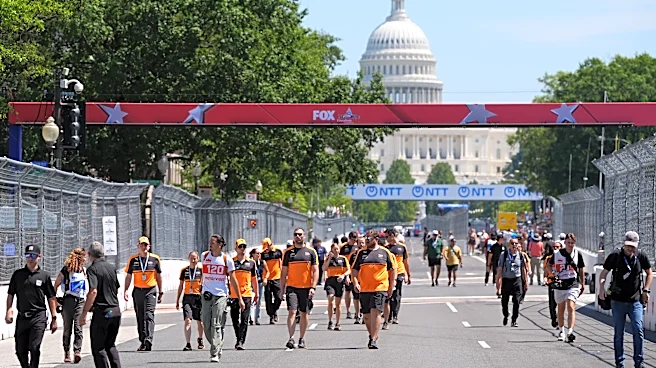
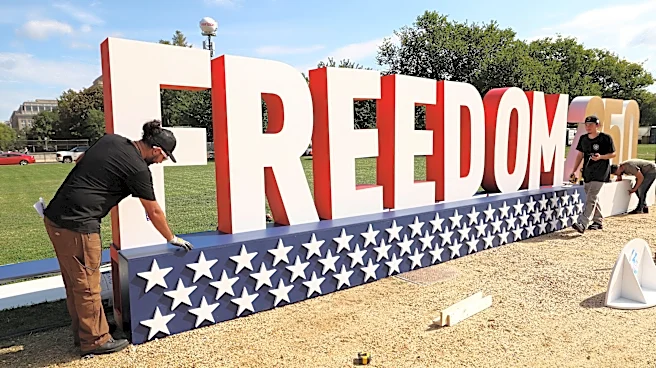
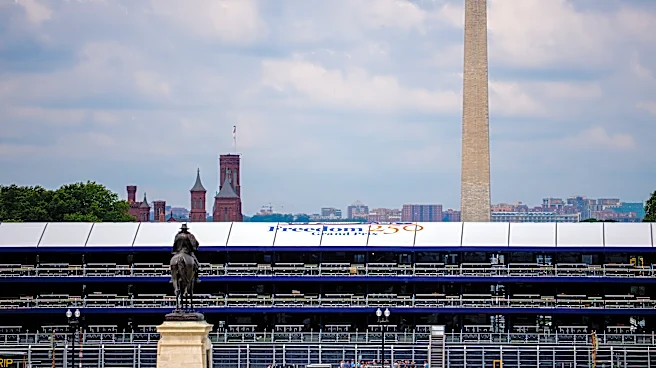
Kyle Kirkwood has won the Freedom 250 Grand Prix, a 250-mile race held in Washington D.C. The event was part of the celebrations for the U.S. 250th birthday. The race featured high speeds and offered views of the U.S. Capitol, drawing attention to both
the sporting spectacle and the historic backdrop. This victory marks a significant achievement for Kirkwood in a high-profile national event, aligning with a major national anniversary. The race's location in the nation's capital added a unique dimension, blending competitive racing with patriotic observance. The Freedom 250 Grand Prix is designed to be a prominent fixture in the national racing calendar, emphasizing both athletic prowess and national pride.
Why It's Important?
The victory by Kyle Kirkwood at the Freedom 250 Grand Prix is important for several reasons. For the U.S. racing industry, it highlights the growing appeal of motorsports events held in iconic urban settings, potentially paving the way for more such races in the future. The association with the U.S. 250th birthday celebration elevates the event's profile, drawing a broader audience beyond typical racing fans and fostering a sense of national unity through sports. This event also provides a significant platform for sponsors and local businesses in Washington D.C., boosting economic activity and tourism. For Kirkwood, this win could significantly enhance his career, offering increased visibility and opportunities within the competitive racing circuit. The race's success underscores the potential for integrating major sporting events with national commemorative occasions, creating memorable experiences for participants and spectators alike.
What's Next?
Following Kyle Kirkwood's victory, attention will likely turn to the implications for his racing career and the future of the Freedom 250 Grand Prix. Kirkwood's win could lead to new endorsements, increased media coverage, and potentially more prominent roles in upcoming races. For the event itself, organizers will likely assess the success of this year's race, particularly its integration with the U.S. 250th birthday celebrations, to plan future iterations. There may be discussions about expanding the event or establishing it as an annual tradition, given its unique setting and patriotic theme. Other racing teams and drivers will be analyzing Kirkwood's performance and strategy, preparing for future competitions. The success of this event could also inspire other cities to host similar high-profile races, further integrating motorsports into the national entertainment landscape.
Beyond the Headlines
Beyond the immediate sporting achievement, the Freedom 250 Grand Prix in Washington D.C. carries deeper implications for the intersection of sports, national identity, and urban development. Hosting a high-speed race in the nation's capital, with the U.S. Capitol as a backdrop, symbolizes a modern reinterpretation of national celebrations, blending traditional patriotism with contemporary entertainment. This event could spark discussions about the use of public spaces for large-scale events and the balance between urban functionality and spectacle. It also highlights the evolving nature of sports marketing, where events are increasingly designed to offer unique cultural experiences rather than just athletic competitions. The race's success might encourage a broader trend of leveraging national anniversaries to create new, high-impact public events that engage diverse segments of the population, fostering both economic growth and civic pride.