


What's Happening?
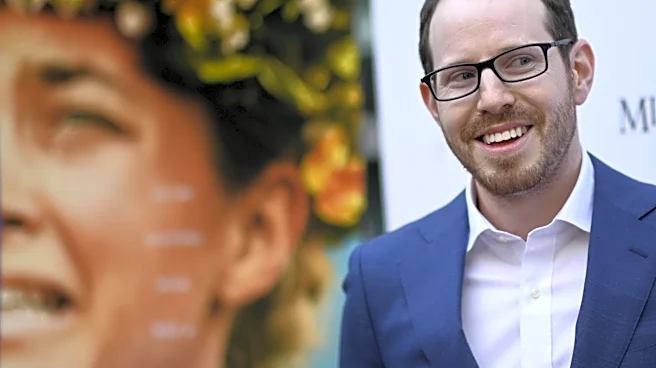
Ari Aster's 2018 horror film, 'Hereditary,' centers on the Graham family's unraveling after a tragic accident involving 13-year-old Charlie Graham. Charlie, who has a severe nut allergy, consumes cake containing walnuts at a party, leading to anaphylactic
shock. Her brother, Peter, attempts to drive her to the hospital, but during the journey, Charlie's head strikes a telephone pole after Peter swerves to avoid a dead deer. This results in her immediate death. Peter, in shock, returns home, leaving his sister's body in the car for their mother, Annie, to discover the following morning. The incident plunges the family into profound grief and guilt, with Peter withdrawing, Annie directing her anger towards him, and their father, Steve, attempting to maintain family cohesion. This period of vulnerability allows Joan, a woman Annie meets in a support group, to introduce Annie to occult practices, including a séance to contact Charlie. This leads Annie deeper into the dark secrets surrounding her own mother's past, culminating in Peter becoming the host for the demon Paimon, worshipped by his grandmother's coven.
Why It's Important?
The film 'Hereditary' is significant for its exploration of how trauma and grief can be exploited and how familial legacies, particularly those involving hidden histories and mental health, can have devastating consequences. The narrative delves into the psychological impact of sudden loss, showcasing how individual family members cope differently, leading to further fragmentation rather than unity. The introduction of occult elements highlights themes of inherited curses and the insidious nature of external forces preying on vulnerability. The film's critical reception often points to its masterful use of psychological horror to examine the breakdown of a family unit under extreme duress, making it a notable contribution to the genre. It underscores the idea that some horrors are not just external but deeply rooted within family dynamics and ancestral ties, affecting the mental and emotional well-being of its characters profoundly.
What's Next?
As 'Hereditary' is a completed film, there are no direct 'next steps' in its narrative. However, its lasting impact continues to influence discussions within the horror genre and film studies. The film's critical success and its director, Ari Aster's, subsequent works suggest a continued exploration of similar themes of trauma, family dysfunction, and the macabre in contemporary cinema. Viewers and critics often revisit 'Hereditary' for its intricate storytelling and psychological depth, contributing to its ongoing relevance in film discourse. The film's ending, with its definitive and dark resolution, leaves little room for a direct sequel, but its thematic resonance may inspire future projects that delve into the psychological and supernatural consequences of unresolved family histories and grief.
Beyond the Headlines
Beyond its immediate plot, 'Hereditary' delves into profound themes of predestination versus free will, the nature of grief, and the psychological toll of inherited trauma. The film subtly suggests that the family's fate was predetermined by ancestral occult practices, raising questions about the extent to which individuals can escape their lineage. The portrayal of grief is particularly nuanced, showing how it can manifest as anger, guilt, and withdrawal, ultimately isolating family members from each other. The film also touches upon the fragility of the human psyche when confronted with overwhelming loss and the potential for manipulation by external forces during periods of extreme vulnerability. Its exploration of mental health, particularly through Annie's character and her family's history of mental illness, adds another layer of complexity, blurring the lines between psychological breakdown and supernatural influence. This blend of psychological realism and supernatural horror creates a disturbing narrative that resonates with deeper anxieties about family, legacy, and the unknown.