





What's Happening?
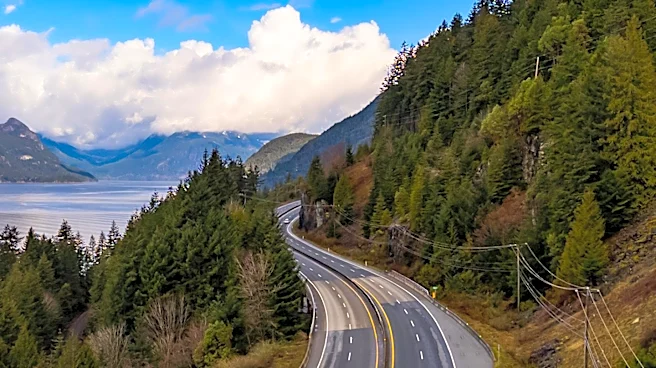
The popular Netflix series 'Sullivan's Crossing' was primarily filmed in Squamish, British Columbia, and its surrounding areas within the Sea-to-Sky Corridor, located between Vancouver and Whistler. The fictional town and the iconic 'Sullivan's Crossing' property
were brought to life using real locations in this mountainous region, approximately 65 kilometers north of Vancouver. Additional scenes were shot in various studios and outdoor sites across Metro Vancouver. Squamish, a town of about 24,000 residents, serves as the central filming location, offering a dramatic backdrop where coastal fjords meet the Coast Mountains. The area's natural beauty, including towering granite peaks, dense evergreen forests, and glacier-fed rivers, naturally aligns with the show's aesthetic. While the central 'Sullivan's Crossing' property was a custom-built set on private land and is not accessible to the public, the region provides numerous public natural areas that capture the show's spirit.
Why It's Important?
The choice of Squamish and the Sea-to-Sky Corridor as the primary filming location for 'Sullivan's Crossing' highlights the growing trend of television productions utilizing scenic natural environments to enhance storytelling. This practice not only provides authentic backdrops for viewers but also contributes significantly to local economies through film tourism. While the specific set is private, the show's popularity draws attention to the region's accessible natural attractions, such as Alice Lake Provincial Park, Shannon Falls Provincial Park, and the Sea-to-Sky Gondola. This exposure can lead to increased tourism, benefiting local businesses like outfitters, cafes, breweries, and restaurants in Squamish. However, it also underscores the importance of responsible tourism to protect these natural environments and respect private property, ensuring that the influx of visitors supports the community sustainably rather than causing disruption.
What's Next?
As 'Sullivan's Crossing' continues to gain viewership on platforms like Crave and Netflix, the interest in its filming locations is likely to persist. Future visitors inspired by the show will continue to seek out the natural beauty of Squamish and the Sea-to-Sky Corridor. Local tourism boards and park authorities will need to manage this increased interest by promoting accessible public areas and educating visitors on responsible travel practices, such as adhering to Leave No Trace principles and respecting private property. The ongoing success of the series could also encourage more film productions to consider British Columbia's diverse landscapes, further boosting the region's film industry and associated economic benefits. Continued collaboration between local communities and the film industry will be crucial to balance economic growth with environmental preservation.
Beyond the Headlines
The filming of 'Sullivan's Crossing' in Squamish reveals a broader dynamic between entertainment production and regional identity. The show's portrayal of a small mountain community nestled within a stunning wilderness not only captivates audiences but also subtly promotes a lifestyle deeply connected to nature and outdoor recreation. This can influence cultural perceptions of such regions, potentially attracting new residents or businesses seeking a similar quality of life. Furthermore, the distinction between publicly accessible natural sites and private filming sets raises ethical considerations regarding the impact of media on tourism. It highlights the challenge of satisfying public curiosity about fictional worlds while protecting the privacy and resources of real-world locations and their inhabitants. The show's success thus serves as a case study for how popular media can shape public interest in geographical locations and the subsequent need for sustainable tourism strategies.