






What's Happening?
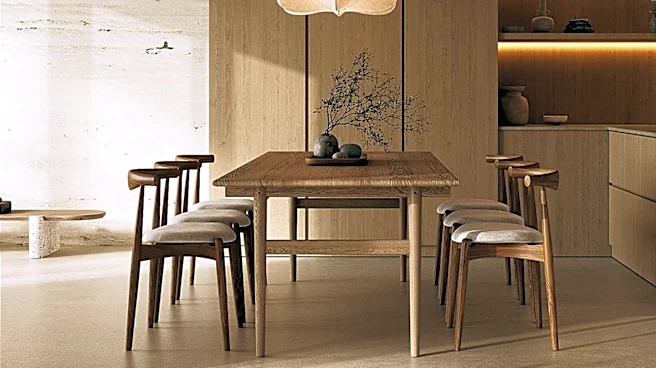
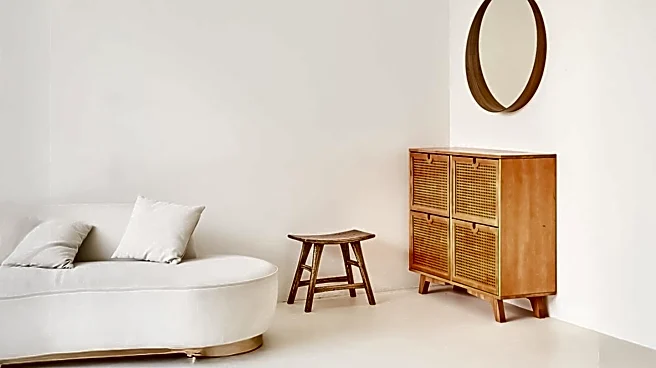
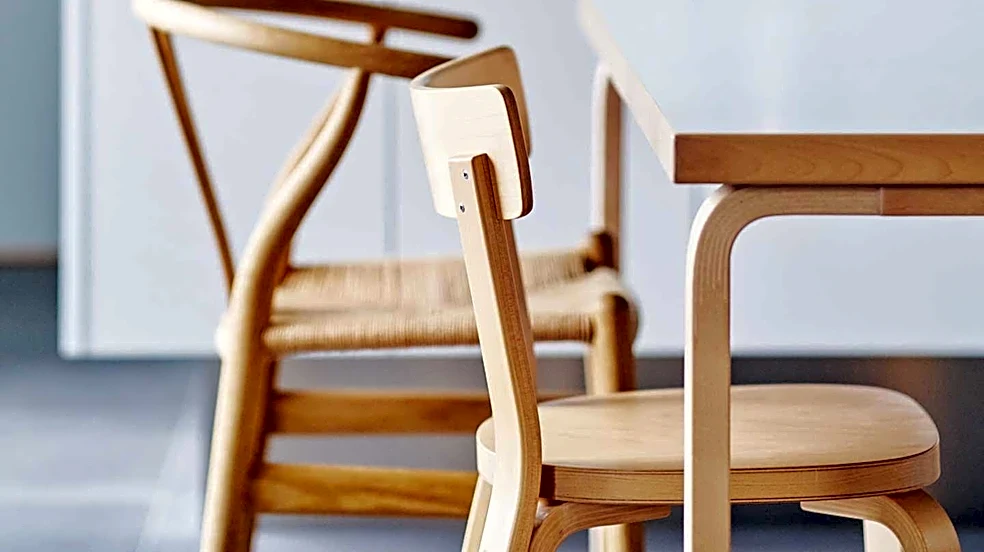
Scandinavian minimalism is a prominent interior design trend characterized by its use of light wood, soft whites, natural textiles, and a deliberate reduction of clutter. This style prioritizes a clear hierarchy in design, often featuring one warm wood element
as a focal point. It aims to create restful and calm environments without appearing sterile. The approach is evident in various applications, including nursery designs, where it translates into light wood furniture, white or soft-gray walls, a simple rug, and a crib with ample clear space. This design philosophy is gaining traction in the U.S. as individuals seek to create serene and functional living spaces. The emphasis on natural materials and uncluttered aesthetics contributes to a sense of openness and tranquility, making it suitable for diverse residential and commercial settings.
Why It's Important?
The growing popularity of Scandinavian minimalism in the U.S. reflects a broader societal shift towards intentional living and well-being. This design trend offers practical benefits, such as easier maintenance due to less clutter, and psychological advantages, including reduced visual noise that can contribute to a calmer mental state. For industries, this translates into increased demand for specific materials like light-toned woods, natural fibers, and minimalist furniture. Businesses in the home decor, furniture, and interior design sectors are adapting by offering products and services that align with this aesthetic. The focus on functionality and simplicity also resonates with consumers looking for sustainable and timeless design choices, potentially influencing manufacturing practices and supply chains to prioritize eco-friendly and durable materials. This trend impacts not only residential spaces but also commercial environments, such as offices, where minimalist designs are being adopted to enhance focus and reduce stress.
What's Next?
The trajectory of Scandinavian minimalism suggests continued integration into mainstream U.S. interior design. Expect to see further innovation in furniture and decor that combines minimalist aesthetics with smart functionality, particularly for smaller living spaces. Designers and retailers will likely expand their offerings of modular furniture, multi-functional pieces, and sustainable materials to meet consumer demand. There may also be a rise in educational content and services focused on helping individuals implement minimalist principles in their homes and offices. The trend could also influence architectural design, with new constructions incorporating elements like larger windows for natural light and open-plan layouts that complement the uncluttered aesthetic. Furthermore, as the style evolves, it may blend with other minimalist approaches, such as Japandi (a fusion of Japanese and Scandinavian design), offering new variations while retaining its core principles of simplicity and natural elegance.
Beyond the Headlines
Beyond its aesthetic appeal, Scandinavian minimalism carries deeper implications for consumer behavior and lifestyle choices in the U.S. It encourages a mindful approach to consumption, prompting individuals to invest in fewer, higher-quality items rather than accumulating excessive possessions. This shift can lead to a reduction in waste and a greater appreciation for craftsmanship and durability. Culturally, it promotes a sense of calm and order, which can be particularly valuable in an increasingly fast-paced and digitally saturated society. The emphasis on natural light and materials also fosters a connection to nature, potentially influencing urban planning and architectural design to incorporate more green spaces and natural elements. Ethically, the demand for sustainable and responsibly sourced materials within this trend could drive companies to adopt more ethical manufacturing practices, impacting global supply chains and promoting fair labor practices. Ultimately, Scandinavian minimalism is more than just a design trend; it's a reflection of evolving values that prioritize simplicity, functionality, and well-being.