



What's Happening?
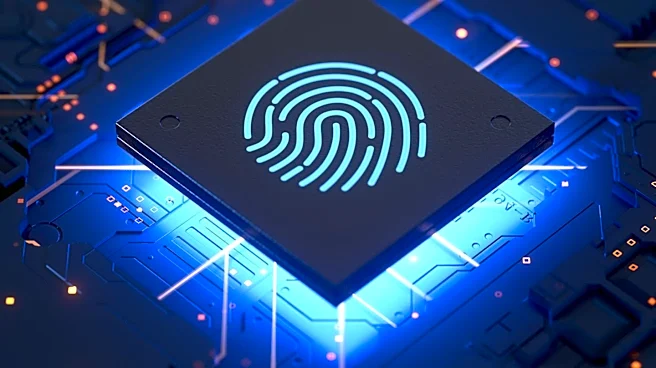
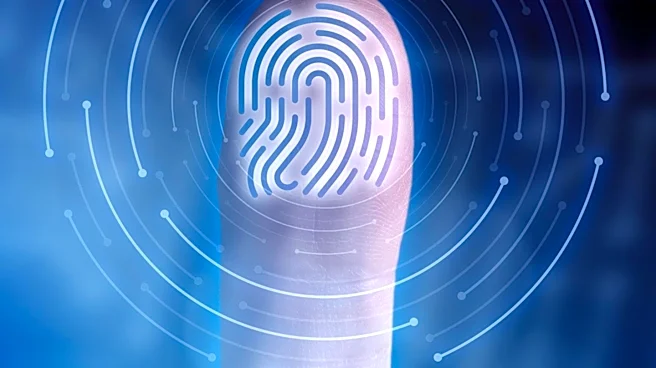
Ticketmaster is utilizing biometric data, specifically face geometry and similar face scans, for identity verification and fraud prevention. The company employs a third-party service provider, Persona, to assist with this process. For identity verification,
Persona captures a photo of the user's ID and a selfie photo/video. It then analyzes the face geometry extracted from both the ID and the selfie to confirm a match, ensuring the identity is securely verified and detecting potential fraud. The biometric data is collected to compare facial biometric data from the selfie to that extracted from the identity document, to detect and prevent fraud (including identifying previous verifications or signs of coercion), and to evaluate the authenticity of images, videos, and identity documents for tampering. Limited Live Nation personnel may access the stored ID photo and selfie for compliance purposes. Users consent to the collection, use, sharing, and retention of their biometric data by using the identity verification process.
Why It's Important?
Ticketmaster's implementation of biometric data processing for identity verification has significant implications for U.S. consumers and the entertainment industry. This technology aims to combat ticket fraud, a persistent issue that costs consumers and event organizers millions annually. By verifying the identity of ticket purchasers, Ticketmaster can reduce the prevalence of scalping, fake tickets, and unauthorized resales, thereby ensuring that legitimate fans have better access to events. However, the collection and storage of biometric data raise substantial privacy concerns for users. The use of a third-party provider like Persona also introduces questions about data security and how this sensitive information is protected from breaches or misuse. This move could set a precedent for other companies in the entertainment and event ticketing sectors, potentially leading to a broader adoption of biometric verification, which would reshape the consumer experience for live events.
What's Next?
As Ticketmaster continues to roll out and refine its biometric identity verification process, consumers can expect a more secure ticketing experience, potentially reducing instances of fraud and improving access to popular events. However, this will also necessitate a greater understanding and acceptance of biometric data collection. The company will likely face ongoing scrutiny regarding its data privacy policies and security measures, especially given the sensitive nature of biometric information. Future developments may include further integration of biometric verification with other aspects of the event experience, such as venue entry. Legal and regulatory frameworks around biometric data in the U.S. may also evolve in response to such widespread adoption, potentially leading to new consumer protection laws or industry standards. The success of this initiative will depend on Ticketmaster's ability to maintain user trust and demonstrate the tangible benefits of enhanced security.
Beyond the Headlines
The use of biometric data by Ticketmaster delves into deeper societal and ethical considerations beyond just fraud prevention. It highlights the increasing normalization of biometric surveillance in commercial contexts, raising questions about individual privacy rights in an age of pervasive digital identity. The potential for data breaches involving biometric information is particularly concerning, as such data is immutable and cannot be easily changed like a password. There are also ethical debates about consent, especially when users may feel compelled to provide biometric data to access desired services or events. This trend could contribute to a future where biometric identification becomes a standard requirement for various online and real-world interactions, blurring the lines between convenience, security, and personal freedom. The long-term implications for civil liberties and the potential for misuse of such powerful identification tools warrant careful consideration and robust regulatory oversight.