


What's Happening?
The global mushroom leather market is experiencing substantial growth, projected to reach USD 32.1 million by 2033, with a compound annual growth rate (CAGR) of 7.16% from 2027. This surge is primarily fueled by increasing consumer demand for sustainable
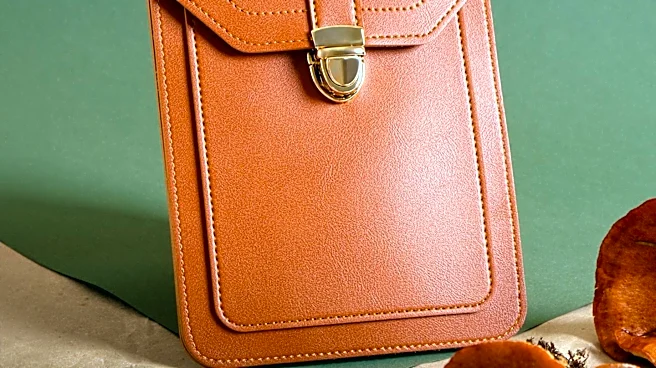
and eco-friendly alternatives to traditional leather. Mushroom leather, also known as mycelium leather, is derived from the root structure of mushrooms, offering a cruelty-free, biodegradable, and resource-efficient material. Renowned fashion brands such as Stella McCartney, Balenciaga, and Hermes are already incorporating mushroom leather into their products, including handbags, shoes, and coats. The market is moderately consolidated, with key players like MycoWorks, Ecovative Design, and Mogu focusing on cultivation technology, sheet consistency, and finishing quality to differentiate their offerings. Europe currently leads the market, accounting for 40.7% of global revenue in 2026, while Asia-Pacific is projected to be the fastest-growing region.
Why It's Important?
The expansion of the mushroom leather market represents a significant shift in the fashion and automotive industries towards more sustainable practices. As consumers become more environmentally conscious, the demand for materials that reduce ecological impact is growing. Mushroom leather provides a viable solution, addressing concerns related to animal welfare, resource consumption, and biodegradability associated with traditional and synthetic leathers. This trend creates new opportunities for biomaterial companies and challenges established industries to innovate. The adoption by luxury brands signals a mainstream acceptance and premium positioning for these alternative materials, which could accelerate their integration into broader markets. Furthermore, regulatory pressures, such as the EU's ban on destroying unsold apparel, are compelling brands to explore materials with documented origin and end-of-life characteristics, further boosting the appeal of mushroom leather.
What's Next?
The mushroom leather market is expected to see continued investment in scaling up production and improving material consistency. Capital is shifting from laboratory research to commercial scale-up, with initiatives like the European Innovation Council's grant to Mycelia Tech for developing mycelium-based leather using agricultural by-products. The automotive sector, particularly electric vehicle platforms, presents a significant growth opportunity, with automotive interiors projected to be the fastest-growing application at a CAGR of 31.5% during 2027–2033. However, mushroom leather must meet stringent automotive requirements for abrasion resistance, durability, and consistent finishing. The industry also needs to address the current limitation of production scale, which keeps material costs higher than conventional leather. As production volumes increase, unit costs are expected to decline, making mushroom leather more competitive and accessible for mass-market applications beyond luxury goods.
Beyond the Headlines
The emergence of mushroom leather highlights a broader movement towards bio-fabrication and circular economy principles in manufacturing. This innovation not only offers a sustainable alternative but also challenges traditional notions of material sourcing and production. The development of new testing standards specifically for grown leather, rather than relying on those designed for animal hides, will be crucial for widespread adoption and consumer trust. Moreover, the ability to verify the bio-based content of finished products will be essential for brands making sustainability claims. This shift could lead to a re-evaluation of supply chains, favoring producers with traceable and environmentally friendly manufacturing processes. The success of mushroom leather could pave the way for other bio-based materials, fostering a more sustainable and ethical future for various industries.