


What's Happening?
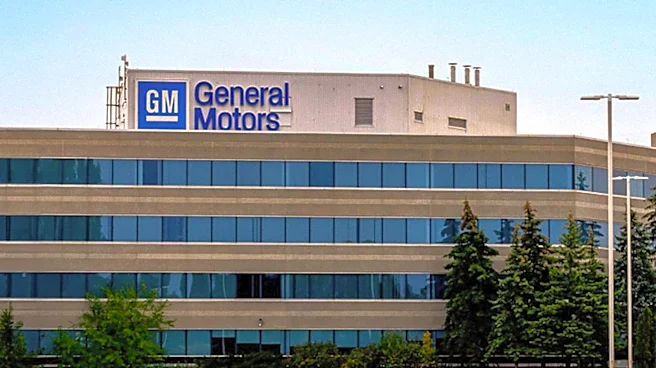
General Motors (GM) is reportedly considering Sterling Anderson, its current Executive Vice President, Global Product, and Chief Product Officer, as a potential successor to CEO Mary Barra. Sources indicate that GM's board is seeking a leader with strong
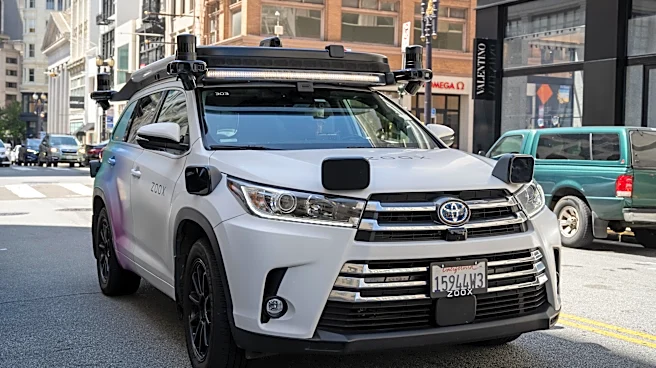
expertise in software and autonomous driving technology. Anderson, who joined GM in June of the previous year, previously co-founded Aurora Innovation, an autonomous driving technology company, and held various roles at Tesla, including Director of Autopilot Programs. This consideration comes as GM's stock saw a 2.43% rise following the news. The board's focus on software and autonomous driving highlights a strategic shift within the automotive giant, recognizing the increasing importance of these areas for future growth and competitiveness in the industry.
Why It's Important?
The potential appointment of Sterling Anderson as GM's next CEO underscores a significant strategic pivot for the automotive industry, particularly for established manufacturers like GM. The emphasis on software and autonomous driving expertise for a top leadership role signals a recognition that the future of mobility is deeply intertwined with technological innovation rather than solely traditional manufacturing. This move could accelerate GM's development and deployment of advanced vehicle technologies, potentially positioning it more competitively against tech-centric automotive companies. For the broader U.S. automotive market, this could mean a faster transition towards autonomous vehicles and more integrated software experiences, impacting supply chains, job markets, and consumer expectations. Companies that fail to adapt to this technological shift risk falling behind, while those that embrace it, like GM appears to be doing, stand to gain significant market share and influence.
What's Next?
The consideration of Sterling Anderson for the CEO position suggests that GM is actively planning for a future where software and autonomous driving are central to its business model. While no definitive decision has been announced, the board's reported preference for a leader with this specific expertise indicates a clear direction. This could lead to increased investment in GM's software divisions, partnerships with technology companies, and a more aggressive timeline for the rollout of autonomous vehicle features. Industry observers will be watching closely for further announcements regarding the CEO succession, as well as any subsequent strategic shifts in GM's product development and technological roadmap. The outcome of this decision could influence other traditional automakers to similarly prioritize tech-focused leadership.
Beyond the Headlines
The reported focus on software and autonomous driving expertise for GM's next CEO reflects a deeper, long-term transformation within the automotive sector. This shift is not merely about adding new features to cars but fundamentally redefining the vehicle as a software-driven platform. This has profound implications for the entire automotive ecosystem, from engineering and manufacturing to sales and after-market services. It also raises ethical and legal questions surrounding autonomous decision-making, data privacy, and cybersecurity in vehicles. The move towards a tech-centric leadership could also signal a cultural shift within GM, potentially attracting a new generation of talent from the technology sector and fostering a more agile, innovation-driven corporate environment. This evolution could ultimately reshape the competitive landscape, blurring the lines between traditional car manufacturers and technology companies.