






What's Happening?
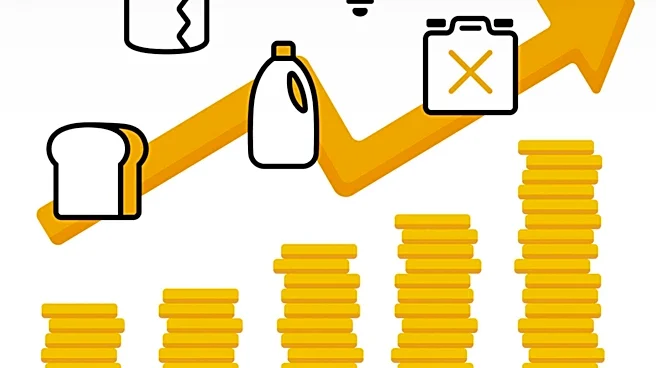
The Personal Consumption Expenditures (PCE) Price Index is a key measure of inflation in the United States, tracking the average change in prices paid by U.S. consumers for goods and services over time. Unlike some other inflation metrics, the PCE Price Index offers
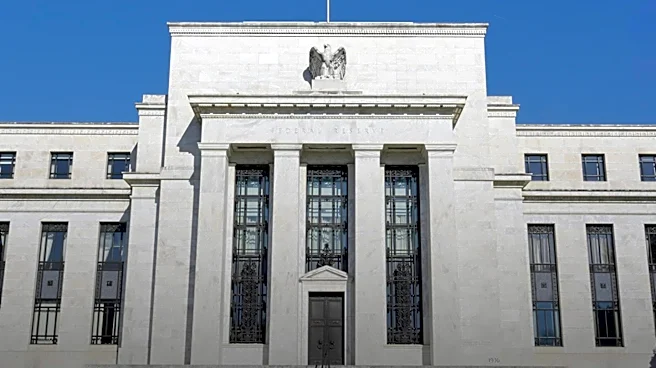
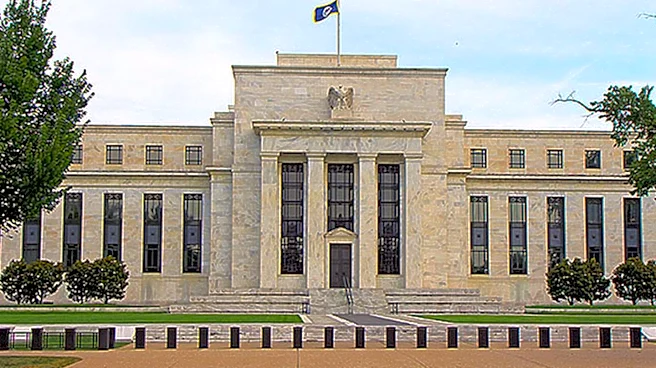
a broader view by including goods and services paid for on behalf of consumers, such as employer- or government-funded healthcare. This comprehensive coverage allows policymakers to gain a more complete understanding of inflation across the economy. The PCE Price Index is calculated by adjusting its category weights as consumer spending patterns evolve, meaning it reflects consumer substitution when prices change (e.g., choosing chicken over beef if beef prices rise). The Federal Reserve utilizes the overall PCE for its 2% inflation objective. The monthly report includes various measures, such as the Headline PCE Price Index, which covers all goods and services, and the Core PCE Price Index, which excludes volatile food and energy prices to assess underlying inflation trends. The Core PCE often receives significant market attention due to its focus on less volatile price changes.
Why It's Important?
The PCE Price Index is critically important for U.S. economic policy, particularly for the Federal Reserve. As the Fed's preferred inflation gauge, its movements directly influence monetary policy decisions, including interest rate adjustments. A faster increase in the PCE Price Index signals rising inflationary pressure, potentially leading the Fed to tighten monetary policy to cool the economy. Conversely, a slower increase suggests easing inflation, which might prompt the Fed to maintain or loosen policy. This index provides a more dynamic and comprehensive view of consumer spending and price changes compared to other measures, as it accounts for consumer behavior shifts. Its broad coverage, including healthcare expenses paid by third parties, offers a more accurate picture of the total cost burden on consumers. Understanding the PCE is crucial for investors, businesses, and policymakers to anticipate economic trends, manage financial portfolios, and make informed decisions regarding pricing, wages, and investment strategies.
What's Next?
The release of the PCE Price Index report will continue to be a closely watched economic event, with its data influencing market volatility, particularly for the U.S. dollar, gold, and U.S. indices. The Federal Reserve will continue to monitor both the Headline and Core PCE figures to guide its monetary policy decisions, including potential adjustments to the federal funds rate. Future reports will indicate whether inflationary pressures are easing or intensifying, which will shape expectations for economic growth and stability. Businesses will use these inflation indicators to inform their pricing strategies, supply chain management, and wage negotiations. Consumers, in turn, will experience the effects of these economic shifts through changes in purchasing power and the cost of goods and services. The ongoing evolution of consumer spending patterns, as reflected in the PCE's adaptive weighting, will provide continuous insights into the economic health and inflationary environment of the U.S.
Beyond the Headlines
The PCE Price Index's methodology, particularly its ability to adjust for consumer substitution and its inclusion of third-party payments for services like healthcare, offers a nuanced perspective on inflation that goes beyond simple price increases. This approach highlights the complex interplay between consumer behavior, market dynamics, and the broader economic structure. The emphasis on healthcare costs within the PCE, for instance, underscores the significant and often indirect financial burden of medical expenses on the U.S. population, even when not directly paid out-of-pocket. This deeper insight can inform policy discussions not just about monetary policy, but also about healthcare reform and social safety nets. The PCE's role as the Fed's primary inflation target also implicitly shapes public perception of economic stability, influencing consumer confidence and long-term financial planning. The continuous adaptation of the PCE to changing spending habits reflects a sophisticated attempt to capture the true cost of living, revealing underlying shifts in economic priorities and challenges.