




What's Happening?
Japan's onsen, or natural hot springs, provide a sacred and restorative experience for travelers, deeply rooted in the country's volcanic geography and cultural traditions. These hot springs are not merely baths but are considered quiet rituals shaped
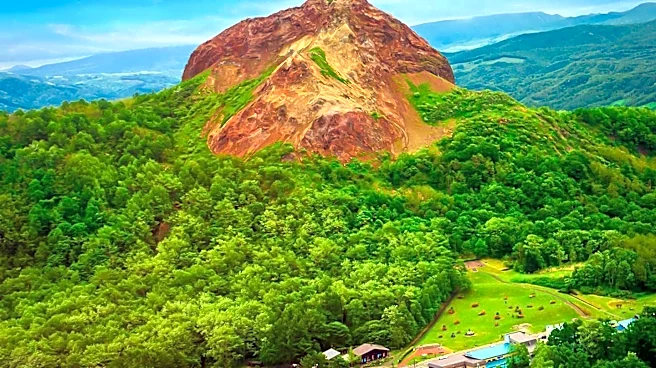
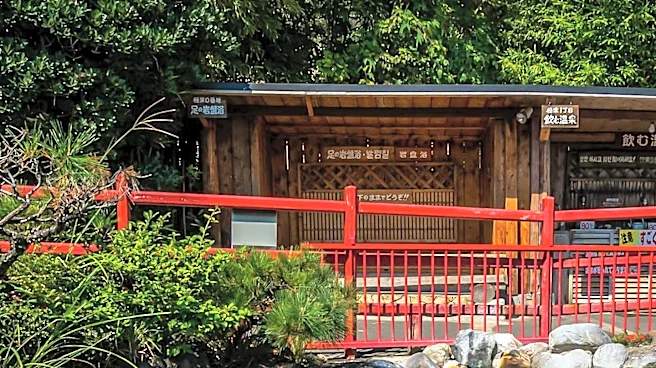
by the Japanese archipelago's volcanic heart. Visitors can find onsen in diverse settings, from volcanic valleys and cedar forests to sea-air resorts and mountain hamlets. The experience emphasizes tranquility, with quiet voices, unhurried movement, and a shared understanding of calm. Onsen water varies by region, offering different mineral compositions that locals believe provide various health benefits, such as soothing tired muscles and easing travel stiffness. Etiquette is crucial, involving washing before entering, keeping towels out of the water, and moving gently to ensure a serene environment for all. Many ryokans (traditional Japanese inns) offer private bathing options, including in-room baths and open-air rotenburo, catering to those seeking solitude. Popular onsen towns like Hakone, Kinosaki, and Beppu each offer unique atmospheres and experiences, from Mount Fuji views to exploring multiple public bathhouses.
Why It's Important?
The Japanese onsen experience offers a significant cultural and wellness opportunity for international travelers, including those from the U.S., seeking authentic and restorative journeys. In a fast-paced world, the emphasis on slowing down, mindfulness, and respectful communal bathing provides a unique counterpoint to typical tourist activities. This focus on tranquility and ritual can contribute to mental well-being and stress reduction, aligning with a growing global interest in wellness tourism. The meticulous etiquette, while initially seeming formal, fosters a sense of trust and shared respect, offering insights into Japanese societal values. For the tourism industry, particularly luxury travel, onsen provide a high-value offering that combines natural beauty, cultural immersion, and personalized service. The availability of private bathing options and English support ensures accessibility for a broader range of international visitors, enhancing Japan's appeal as a destination for discerning travelers. The integration of onsen into broader travel itineraries, such as those combining cultural sites and natural landscapes, enriches the overall visitor experience and promotes longer stays.
What's Next?
As global travel resumes and interest in unique cultural experiences grows, Japanese onsen are likely to continue attracting international visitors. The industry may see further development in tailored experiences, such as specialized tours combining onsen visits with other cultural activities like samurai training or sake tasting, as highlighted in some travel packages. There will likely be continued efforts to accommodate international guests, including providing clear etiquette guidelines in multiple languages and offering tattoo-friendly options, as tattoo policies have historically been a point of concern for some foreign visitors. The focus on privacy and personalized service in luxury ryokans is expected to expand, catering to travelers seeking exclusive and intimate experiences. Additionally, marketing efforts will likely emphasize the restorative and mindful aspects of onsen, appealing to a demographic increasingly prioritizing well-being and authentic cultural engagement in their travel choices. The preservation of the natural settings surrounding many onsen, particularly those in national parks, will remain a key aspect of their appeal.
Beyond the Headlines
Beyond the immediate relaxation and cultural immersion, the Japanese onsen experience subtly promotes a deeper understanding of Japanese philosophy, particularly Zen principles. The ritualistic nature of bathing, the emphasis on quiet contemplation, and the appreciation for simple, natural elements encourage a shift in perspective from consumption to presence. This can lead to a lasting impact on visitors, fostering a greater appreciation for mindfulness and the beauty found in everyday rituals, even after returning home. The shared silence and respectful interactions in communal baths can also build a sense of connection among strangers, transcending language barriers and fostering a unique form of human trust. Furthermore, the careful preservation of onsen towns and their surrounding natural landscapes reflects a broader Japanese commitment to harmony with nature, offering a model for sustainable tourism and cultural heritage conservation. The experience challenges Western notions of privacy and public space, inviting visitors to engage with a different cultural paradigm of shared well-being.