




What's Happening?
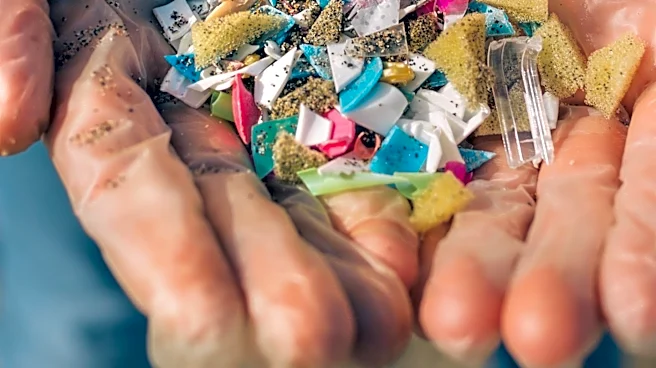
Microplastics, tiny plastic particles, have been found in various environments, including the kitchen. Common kitchen tools such as plastic food storage containers, spatulas, non-stick air fryers, and tea bags can release microplastics into food. Studies
have shown that microwaving plastic containers can result in the highest release of microplastics. Alternatives such as glass containers, metal or wooden utensils, and loose-leaf tea are recommended to reduce exposure. The presence of microplastics in everyday kitchen items raises concerns about potential health implications, although more research is needed to fully understand the effects.
Why It's Important?
The discovery of microplastics in kitchen tools underscores the pervasive nature of plastic pollution and its potential impact on human health. As awareness grows, consumers may demand safer, non-plastic alternatives, prompting changes in manufacturing practices and product offerings. This issue also highlights the need for regulatory oversight and research to assess the health risks associated with microplastic exposure. Addressing this concern could lead to broader environmental benefits by reducing plastic waste and encouraging sustainable practices.