







What's Happening?
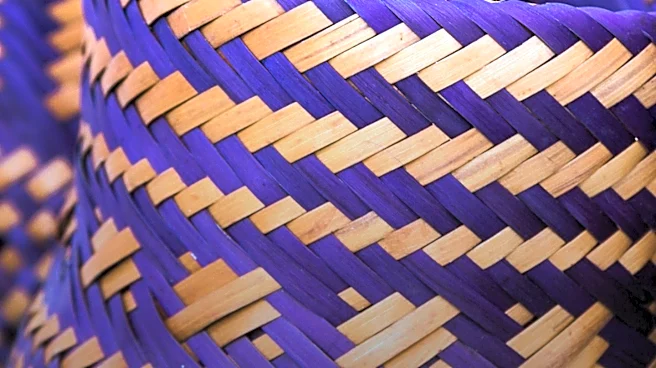
Jeremy Frey, a member of the Passamaquoddy tribe in Maine, has been recognized as one of the country's leading basket weavers and is a recipient of the prestigious MacArthur 'genius grant.' Correspondent Martha Teichner observed Frey's intense process
of creating his remarkably intricate baskets, which are crafted using wood from black ash trees. Frey's artistry is not only a testament to his skill but also holds deep personal significance, as he believes basket weaving played a crucial role in saving his life. This recognition highlights the cultural importance and artistic value of traditional Native American crafts, bringing national attention to a master artisan and his unique connection to his heritage and craft.
Why It's Important?
The MacArthur 'genius grant' awarded to Jeremy Frey is significant for several reasons. It not only acknowledges Frey's exceptional talent and dedication to his craft but also elevates the profile of traditional Native American art forms within the broader U.S. cultural landscape. This recognition can help preserve and promote indigenous artistic traditions, ensuring their continuity for future generations. For the Passamaquoddy tribe and other Native American communities, such accolades can foster pride, encourage younger members to engage with their cultural heritage, and provide economic opportunities through increased demand for authentic indigenous art. Furthermore, Frey's personal narrative—crediting basket weaving with saving his life—underscores the profound therapeutic and spiritual power of art and cultural practice, offering a powerful message about resilience and identity.
What's Next?
The MacArthur 'genius grant' will likely bring increased visibility and demand for Jeremy Frey's work, potentially leading to more exhibitions, commissions, and educational opportunities. This recognition could also inspire greater interest in traditional Native American arts and crafts across the country, encouraging more individuals to learn and practice these skills. For the Passamaquoddy tribe, this could translate into enhanced cultural programs and support for artisans. Broader implications might include increased funding for indigenous arts initiatives and a greater appreciation for the cultural contributions of Native American communities. Frey's story may also serve as an inspiration for others to find purpose and healing through creative expression and connection to their heritage.
Beyond the Headlines
Jeremy Frey's story transcends the realm of art and delves into the critical issues of cultural preservation, environmental sustainability, and personal well-being. His reliance on black ash trees for his baskets highlights the vulnerability of traditional crafts to environmental changes and diseases, such as the emerald ash borer, which threatens ash tree populations. This brings attention to the need for conservation efforts to protect the natural resources essential for indigenous cultural practices. Moreover, Frey's assertion that basket weaving saved his life speaks to the profound psychological and spiritual benefits of engaging with one's heritage and finding purpose through creative work. It underscores the importance of cultural identity as a source of strength and resilience, particularly for communities that have faced historical trauma and marginalization. His art becomes a powerful symbol of survival, continuity, and the enduring spirit of indigenous peoples.