





What's Happening?
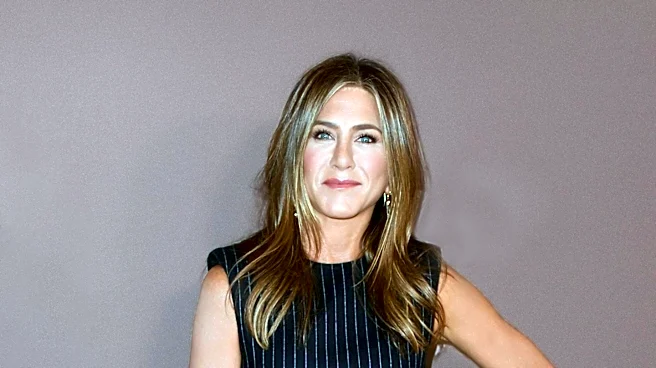
Celebrity fitness trainer Jillian Michaels promotes a lifestyle-first strategy for immune support, emphasizing rigorous exercise, reduced sugar intake, and consistent sleep to decrease susceptibility to illness. Her health philosophy also integrates chronic
stress reduction through practices like breathing drills, stretching, and sleep hygiene. Michaels' approach is often discussed in the context of broader public health conversations, including vaccination, where she supports informed personal choice while highlighting the importance of foundational health practices. She frequently pairs discussions of vaccines with an emphasis on nutrition, movement, and sleep as key pillars of immunity, communicating these views through interviews, social media, and her training programs. This framework guides individuals seeking to combine medical interventions with daily habits for overall wellness.
Why It's Important?
Jillian Michaels' advocacy for a lifestyle-first approach to immune health is significant as it influences a broad audience, particularly those interested in wellness and fitness. Her emphasis on exercise, nutrition, and stress reduction as primary defenses against illness can empower individuals to take proactive steps in managing their health. This perspective complements, rather than replaces, discussions around medical interventions like vaccination, by highlighting how physiological resilience can be enhanced through controlled lifestyle changes. For the health and wellness industry, Michaels' stance reinforces the market for fitness programs, nutritional guidance, and stress-reduction tools. It also shapes public perception of health, encouraging a holistic view that integrates daily habits with medical advice, potentially leading to improved public health outcomes by fostering healthier communities.
What's Next?
In the future, Jillian Michaels is likely to continue integrating her lifestyle-first immune support philosophy into her existing and new fitness programs, online content, and public appearances. Her followers can expect further guidance on how to combine rigorous exercise, dietary adjustments, and stress management techniques with broader health recommendations. This ongoing emphasis will likely fuel continued discussions on the interplay between personal lifestyle choices and public health strategies, including vaccination. Michaels may also address common criticisms regarding the scientific depth of her claims by providing more detailed explanations or collaborating with medical professionals to bridge the gap between practical fitness advice and complex immunology. Her continued influence will shape how wellness-oriented audiences approach their health decisions, potentially leading to more integrated health practices.
Beyond the Headlines
Beyond the immediate health benefits, Jillian Michaels' promotion of a lifestyle-first approach touches upon deeper societal and ethical considerations regarding individual responsibility in health. Her emphasis on personal habits like exercise, diet, and stress reduction can empower individuals, but it also raises questions about equitable access to the resources needed to maintain such a lifestyle. Not everyone has the time, financial means, or environmental conditions to consistently engage in rigorous exercise, access nutritious food, or practice stress-reducing techniques. This highlights a broader challenge in public health: how to promote individual agency while addressing systemic inequalities that impact health outcomes. Furthermore, her stance contributes to the ongoing cultural debate about the balance between personal health choices and collective public health measures, influencing how individuals perceive their role in community well-being.