


What's Happening?
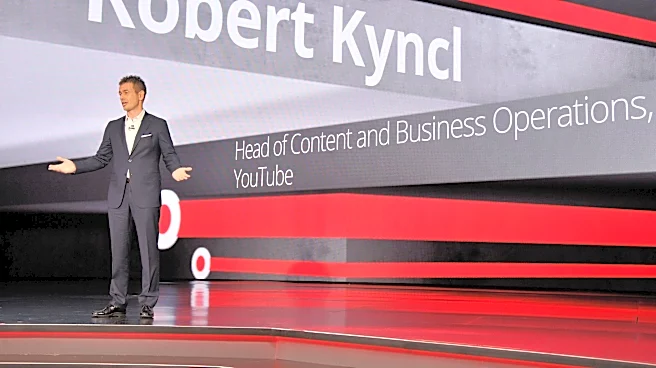
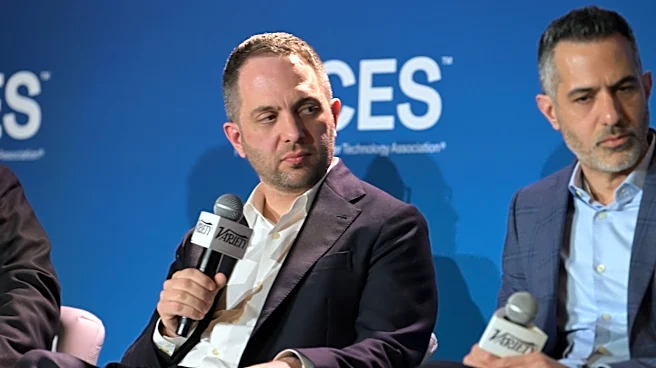
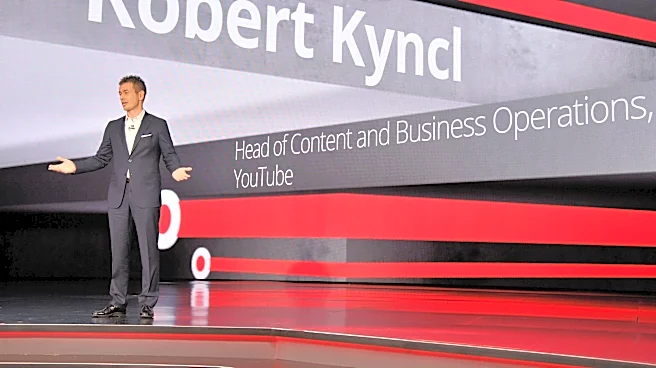
Robert Kyncl, CEO of Warner Music Group (WMG), is slated to deliver a keynote address at CES 2027. This marks the first time a music industry leader will headline the influential technology event. Kyncl's presentation, scheduled for January 6 at 2 PM
in the Palazzo Ballroom at The Venetian, will focus on the evolving landscape of music creation and interactivity. WMG is actively transforming into a company that integrates proprietary technology and AI strategies to support artists and songwriters globally, while also innovating new models for fan engagement. The Consumer Technology Association (CTA), which hosts CES, highlighted the increasing convergence of music and technology, expressing enthusiasm for Kyncl's insights into how innovation can create new opportunities for artists, creators, and the industry as a whole. Kyncl's career includes significant roles at YouTube, where he built the creator ecosystem and launched subscription services like YouTube Premium and YouTube Music, and at Netflix, where he was instrumental in its transition from a DVD-by-mail service to a global streaming platform.
Why It's Important?
This keynote by Robert Kyncl at CES 2027 signifies a growing recognition of the music industry's integral role within the broader technology landscape. His presence underscores the increasing intersection of music, artificial intelligence, and digital platforms, which is reshaping how music is created, distributed, and consumed. For U.S. industries, this event highlights the strategic importance of technological innovation in the entertainment sector, particularly for record labels and tech companies vying for market share in digital content. WMG's focus on AI and proprietary technology indicates a proactive approach to leveraging advanced tools to protect and empower artists, potentially setting new industry standards for artist rights and monetization in the digital age. The discussion on music's future at such a prominent tech forum could influence investment trends, partnership opportunities between tech giants and music entities, and the development of new consumer experiences, impacting both creators and listeners across the U.S. and globally.
What's Next?
Following Robert Kyncl's keynote at CES 2027, the music and technology industries can anticipate further discussions and potential collaborations stemming from the ideas presented. The address will be live-streamed across multiple platforms, including CES.Tech, X, Facebook, YouTube, and LinkedIn, ensuring broad accessibility and immediate global engagement. This widespread exposure is likely to generate significant dialogue among industry stakeholders, including artists, tech developers, investors, and policymakers, regarding the future direction of music technology and artist empowerment. WMG's strategic emphasis on AI and proprietary technology, as highlighted by Kyncl, suggests that future developments in music will increasingly involve advanced digital tools for creation, distribution, and fan interaction. The event could also catalyze new partnerships between music labels and technology firms, aiming to implement innovative solutions discussed during the keynote. CES 2027, running from January 6-9 in Las Vegas, will feature other keynotes from companies like Lenovo, Stellantis, Siemens, and WPP, further solidifying the event's role as a nexus for cross-industry innovation.
Beyond the Headlines
Robert Kyncl's keynote at CES 2027 extends beyond a mere industry address; it represents a significant cultural and economic shift in how art and technology intersect. The focus on AI and proprietary technology within the music industry raises profound ethical and legal questions concerning intellectual property, artist compensation, and the authenticity of creative works. As AI tools become more sophisticated, the debate over AI-generated music and its impact on human artistry will intensify. WMG's commitment to 'protecting and empowering global artists and songwriters' through technology suggests an attempt to navigate these complex issues proactively, potentially influencing future regulatory frameworks and industry best practices. This development could lead to a redefinition of artistic ownership and collaboration, fostering new models of creativity that blend human ingenuity with technological capabilities. The long-term implications include a potential reshaping of the music ecosystem, where technology not only facilitates distribution but also becomes an integral part of the creative process, challenging traditional notions of authorship and artistic value.