




What's Happening?
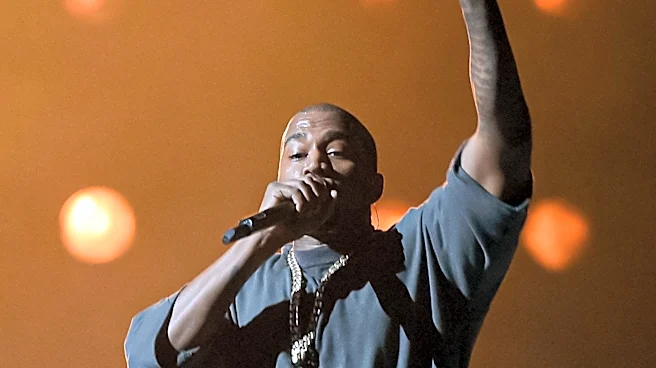
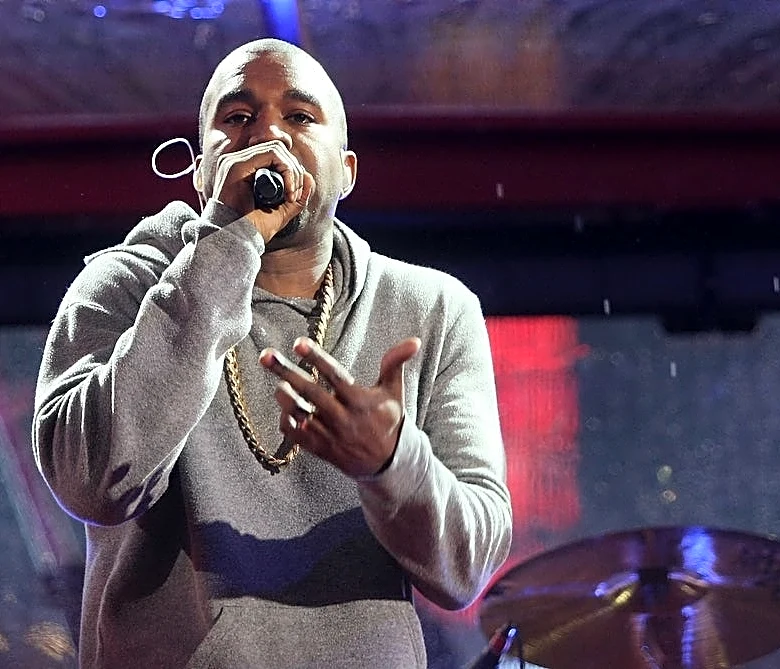
Kanye West, also known as Ye, has set a new record for the most-attended hip-hop concert in U.S. history. His recent performance at AT&T Stadium in Dallas drew 83,132 fans, generating over $18 million in gross revenue in a single night. This event also ranks
as the fifth-highest-grossing concert in U.S. history. This marks the third time this year that West has broken his own attendance record. Earlier in the year, his Halloween night concert at Houston’s Reliant Stadium attracted approximately 80,210 fans, and his two April shows at SoFi Stadium in Los Angeles each sold over 74,000 tickets. These concerts are notable for their elaborate staging, featuring West performing atop a half-orb illuminated to resemble the Earth, a progression from previous sets that included a fake mountain or a moving stage suspended from arena ceilings. The setlists have included hits from his earlier career and featured numerous guest appearances.
Why It's Important?
This achievement highlights Kanye West's continued ability to draw massive crowds and generate significant revenue, despite controversies surrounding his past antisemitic comments. His independent promotion of these concerts, without major partners like Live Nation or AEG Presents, underscores his unique market power and direct connection with his fanbase. The financial success of these events, particularly the $18 million gross from the Dallas show, demonstrates a substantial economic impact within the entertainment industry. The record-breaking attendance figures also indicate a significant portion of the public has either forgiven West for his past remarks or separates his artistic output from his personal controversies. This trend could influence how other artists navigate public relations crises and career comebacks, potentially shifting industry norms regarding artist independence and audience loyalty.
What's Next?
Given the success of these independently promoted concerts, Kanye West may continue to pursue large-scale, self-produced events, potentially expanding his touring schedule or exploring new venues. The high attendance and revenue figures could encourage other artists to consider independent promotion as a viable alternative to traditional concert promoters, potentially leading to shifts in the live music industry's business model. The continued strong turnout for West's shows suggests that his fan base remains robust, which could translate into future album sales or other ventures. It will be important to observe whether this trend of record-breaking attendance continues and how it impacts his overall career trajectory and public perception moving forward.
Beyond the Headlines
The sustained success of Kanye West's concerts, despite his controversial past, raises broader questions about celebrity accountability, public forgiveness, and the separation of art from artist. His ability to independently promote and sell out massive venues challenges the conventional wisdom that major promoters are essential for such large-scale events. This could signal a growing trend of artists leveraging their direct fan connections and personal brands to bypass traditional industry gatekeepers. Furthermore, the willingness of tens of thousands of fans to attend these shows, following his public apology for antisemitic remarks, prompts a deeper discussion about the nature of redemption in the public eye and the criteria by which audiences evaluate public figures. This phenomenon could influence future discourse on cancel culture and the long-term impact of controversial statements on an artist's career.