





What's Happening?
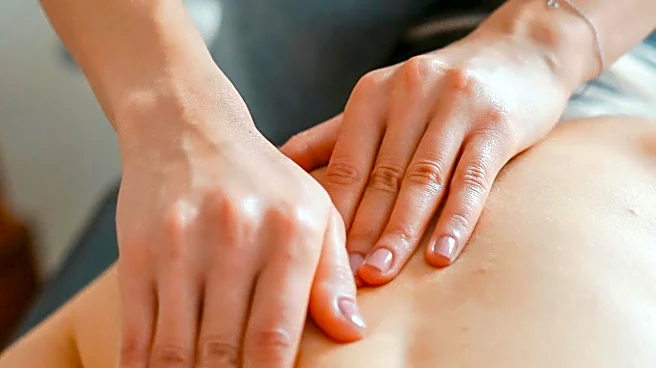
Lymphatic drainage massage is a gentle, light-pressure technique designed to encourage the movement of lymph fluid towards lymph nodes. This method is distinct from deep tissue massage, as it focuses on clearing fluid accumulation rather than targeting
muscle. It is commonly employed to reduce swelling, particularly after surgical procedures or for individuals experiencing lymphedema. The technique involves slow, light strokes that gently stretch the skin, guiding lymph fluid through the lymphatic system, which lacks its own pump like the heart. While it can be performed by certified therapists, simpler versions can also be done at home. The primary goal is to help the body clear excess fluid that may accumulate due to various factors such as salt intake, heat, prolonged standing, or hormonal changes. It is important to note that this massage does not remove fat or serve as a detox cure, but rather helps in shifting water weight and reducing puffiness.
Why It's Important?
Understanding lymphatic drainage massage is crucial for individuals seeking to manage swelling and fluid retention, especially in post-operative recovery or for chronic conditions like lymphedema. For those recovering from cosmetic or plastic surgery, many surgeons recommend this massage as part of the healing process to reduce swelling. However, medical clearance from a surgeon is essential before commencing sessions. For individuals with lymphedema, it forms a component of a broader care plan, often alongside compression garments and exercise. Beyond medical applications, it offers a non-invasive approach to alleviate everyday puffiness, such as swollen ankles after travel or a long day. It also provides a calming experience, contributing to overall wellness. Recognizing its limitations—that it does not remove fat or act as a detox—helps set realistic expectations and ensures individuals seek appropriate medical advice for underlying health concerns.
What's Next?
Individuals considering lymphatic drainage massage should first consult with a healthcare professional, especially if they have existing health conditions, have recently undergone surgery, or are experiencing unexplained swelling. Medical conditions such as active infections, fever, blood clots, heart disease, kidney or liver disease, active cancer, or open wounds are contraindications for this type of massage. For post-surgical recovery, sessions should only begin with a surgeon's approval, with frequency varying based on the procedure and individual healing. For general wellness and everyday puffiness, a routine of a few times a week is often suggested. Continued hydration and incorporating activities that naturally promote lymph movement, such as walking or deep breathing, can complement the massage. If swelling persists or worsens, medical attention should be sought promptly.
Beyond the Headlines
The rising popularity of lymphatic drainage massage, partly fueled by social media trends, highlights a broader public interest in holistic health and non-invasive wellness practices. However, this trend also underscores the importance of distinguishing between evidence-based medical applications and unsubstantiated claims. While the massage is effective for fluid movement and reducing puffiness, it is often misrepresented as a quick fix for weight loss or a comprehensive 'detox.' This distinction is vital to prevent individuals from delaying necessary medical interventions for serious conditions. The emphasis on light pressure and specific techniques also points to the need for trained and certified practitioners, particularly for medical conditions, to ensure efficacy and safety. The practice encourages a deeper understanding of the body's lymphatic system and its role in fluid balance and immune function, promoting a more informed approach to personal health management.