






What's Happening?
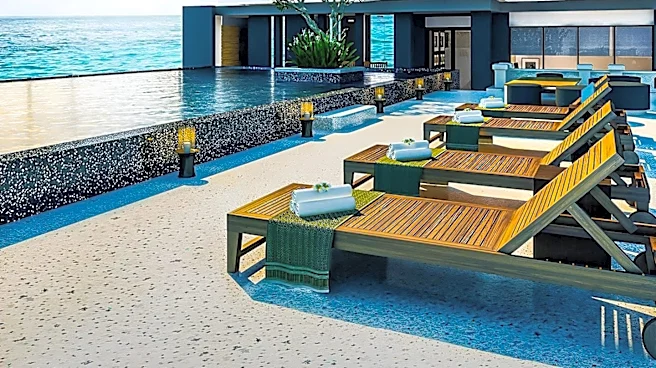
The luxury hospitality sector is undergoing a significant transformation, moving beyond traditional amenities to embrace 'intentional wellness architecture.' This shift is driven by a fundamental change in what guests perceive as true luxury, which now
centers on well-being and health-enhancing experiences. Instead of merely offering services, hotels are integrating wellness into every aspect of the guest journey, from physical spaces to organizational culture. This involves designing environments that support daily habits for well-being, ensuring that every touchpoint is synchronized to help guests achieve a state of ease. The industry is being called upon by its clientele to refresh its approach, moving away from outdated definitions of luxury to incorporate a more holistic and integrated wellness strategy. This redefinition emphasizes that wellness is not just a trend but a core component of modern luxury, requiring a systemic update in how care is provided to guests.
Why It's Important?
This evolution in luxury hospitality is crucial for the U.S. market as it reflects a broader societal trend towards prioritizing health and well-being. For hotels, adopting intentional wellness architecture can significantly enhance guest satisfaction, increase average daily rates (ADR), and foster long-term asset loyalty. Properties that successfully integrate wellness seamlessly and invisibly into their operations stand to gain a competitive advantage. Conversely, those that fail to adapt risk falling behind, as guests increasingly seek experiences that actively contribute to their physical and mental health. This trend also impacts related industries, such as design, construction, and technology, as there will be a growing demand for specialized solutions that support wellness-focused architectural and operational needs. The emphasis on well-being signals a shift in consumer values, where experiences that promote health and restoration are becoming more valuable than mere opulence.
What's Next?
Luxury hospitality providers are expected to continue investing in and developing comprehensive wellness architecture frameworks. This will involve mapping the complete guest journey, from pre-arrival to post-departure, to identify opportunities for wellness integration. Hotels will likely focus on building concrete systems architecture and implementing staff training to ensure consistent delivery of wellness experiences across all departments, including food and beverage, spa services, and retail. The industry will also see a greater emphasis on incorporating natural elements, sensory experiences, and holistic health practices into design. The goal is to create environments that support the body, brain, and mind through the senses, influencing human experience positively. This will likely lead to more partnerships with wellness experts and designers to create tailored, high-yield wellness programming that resonates with discerning clientele.
Beyond the Headlines
The deeper implication of this shift is the recognition that the domestic environment, including temporary stays in luxury hotels, is increasingly viewed as a refuge from the demands of contemporary life. This trend highlights a cultural shift where self-care and psychophysical recovery are becoming integral to the definition of comfort and luxury. The integration of wellness architecture suggests a move towards environments that are not just aesthetically pleasing but also actively contribute to human flourishing. This could lead to a re-evaluation of urban planning and residential design, with a greater emphasis on creating spaces that promote health and well-being in everyday life. The ethical dimension lies in ensuring that these wellness solutions are genuinely beneficial and accessible, rather than becoming superficial additions. The long-term impact could be a more health-conscious approach to design and living, where environments are intentionally crafted to support human vitality and resilience.