




What's Happening?
The U.S. manufacturing industry is undergoing a significant transformation, driven by substantial investments from private companies, the federal government, and foreign donors. This influx of capital, with the manufacturing sector accounting for over 50%
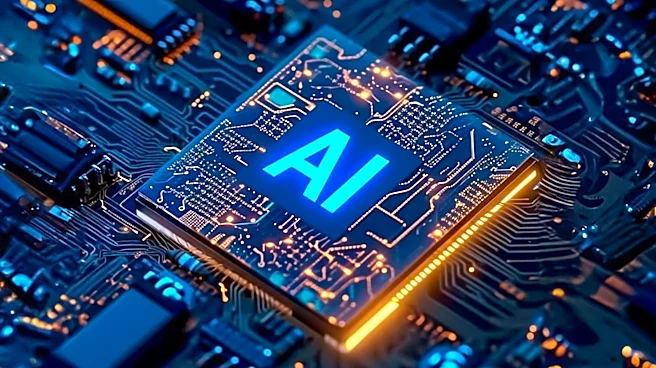
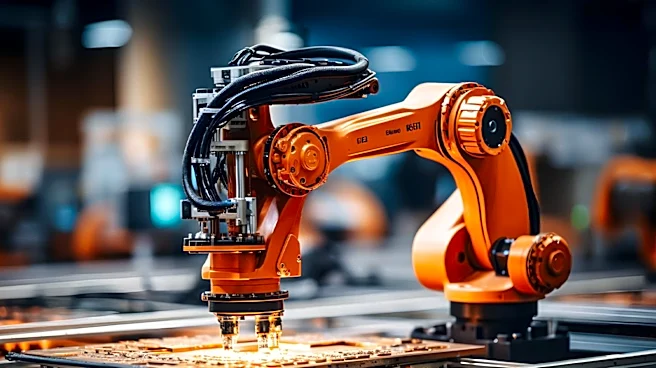
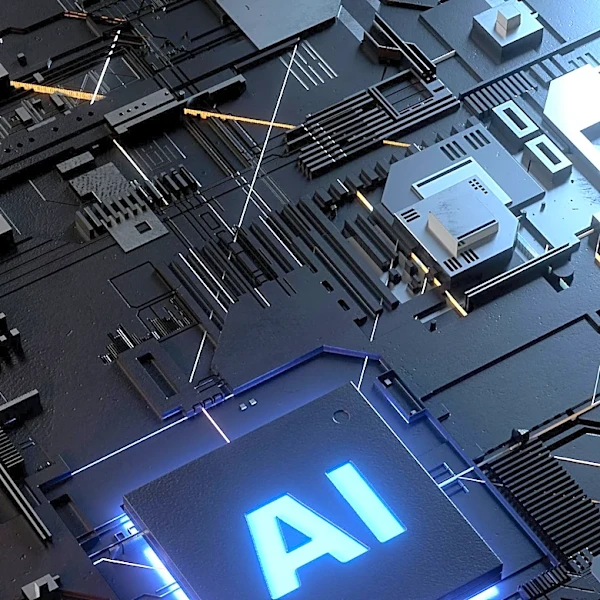
of private-sector research and development in the U.S., is fueling the adoption of artificial intelligence (AI) and robotics. According to Ilya Kovalenko, assistant professor at Penn State, these technologies are being integrated to enhance factory safety, efficiency, and productivity. The goal is to address the critical need for more trained workers and to automate repetitive and hazardous tasks, thereby making human work safer and more cost-efficient. Manufacturers are exploring custom automation systems and humanoid robotics, alongside advanced techniques like 3D printing for large structures and small-scale fabrication for semiconductors.
Why It's Important?
The push to 'reshore' manufacturing back to the U.S. is vital for national economic resilience, especially after supply chain disruptions experienced during the COVID-19 pandemic. Many U.S. manufacturers, particularly smaller businesses, struggle to meet demand and compete globally. AI and robotics offer a solution by optimizing production processes, reducing reliance on a limited workforce, and improving overall output. This technological integration is not just about automation; it's about creating more flexible, reconfigurable, and adaptable production systems that can dynamically respond to customer demands and changing conditions. By making manufacturing jobs safer and more efficient, these advancements can attract new talent to the sector and ensure the U.S. remains competitive in the global industrial landscape.
What's Next?
Looking ahead, the manufacturing sector is expected to see continued innovation in dynamic and adaptive systems that can respond to real-time changes, both within the factory and in the broader environment. This includes developing systems that can adjust to customer specifications or external factors like weather, leading to more sustainable manufacturing practices by reducing waste and energy consumption. Universities like Penn State are playing a crucial role in workforce development, training students with hands-on experience in these new technologies to prepare them for the factories of the future. Academic research will continue to push the boundaries of AI and industrial automation, addressing complex challenges that companies might not have the resources to tackle independently, ultimately driving further breakthroughs in manufacturing processes.
Beyond the Headlines
The integration of AI and robotics in manufacturing extends beyond mere operational improvements; it raises fundamental questions about the future of work and the human-machine interface. While automation addresses labor shortages and improves safety, it also necessitates a re-skilling of the workforce and a redefinition of human roles in industrial settings. The ethical implications involve ensuring that these technologies are developed and deployed responsibly, considering their societal impact. Long-term shifts could include the emergence of highly specialized, AI-driven manufacturing ecosystems, where human creativity and problem-solving are augmented by advanced robotic capabilities. This evolution could lead to a more resilient, efficient, and environmentally conscious manufacturing sector, but also requires careful planning for workforce transitions and equitable access to new opportunities.