
What's Happening?
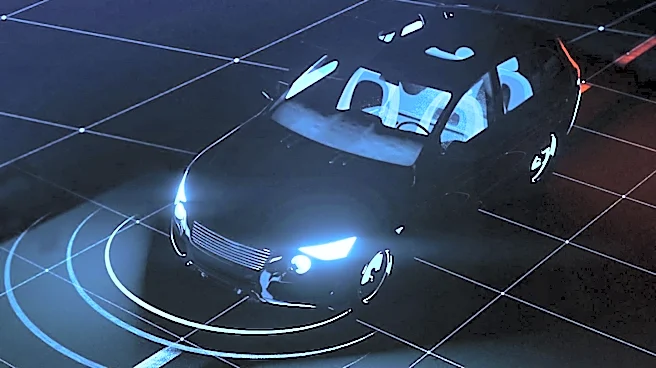
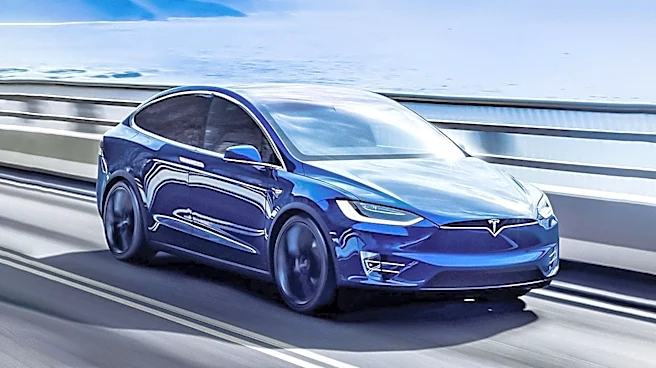
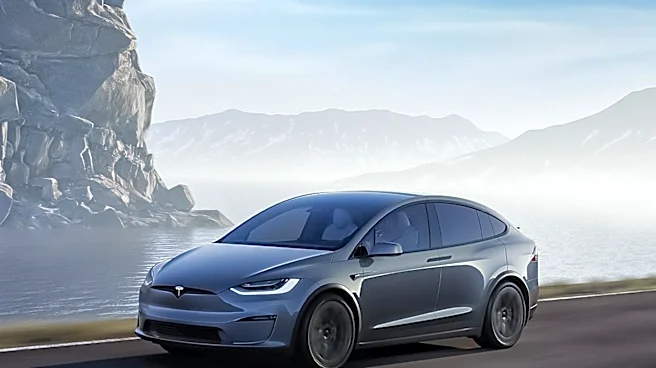
Tesla announced on November 21 the initial rollout of its Full Self-Driving (FSD) v15 software. This update introduces several new functionalities, including 'Reality View,' which provides drivers with a live visualization of FSD's planned actions, though
the announcement did not detail how these controls operate. The FSD v15 also incorporates navigation learning, initially focusing on route preferences at the start and end of trips, with whole-route learning anticipated in future v15 releases. Other enhancements include improved detection of signs, animals, debris, potholes, and standing water, as well as more natural speed handling in school zones and adverse weather conditions. Additionally, FSD can now slow down for speed cameras, and a new 'Bike Rack Mode' allows drivers to use FSD with bike racks or similar hitch accessories. Tesla claims a '25x better handling of safety critical cases' with this update, but the company has not provided specific metrics, comparison baselines, or testing methodologies to support this figure.
Why It's Important?
The rollout of Tesla's FSD v15 is significant for the automotive industry and the broader adoption of autonomous driving technology. The introduction of features like 'Reality View' and enhanced detection capabilities could improve driver confidence and the system's overall reliability, potentially accelerating the transition towards more automated vehicles. The navigation learning feature, which leverages fleet-wide data, could lead to more efficient and personalized routing, benefiting both individual drivers and potentially impacting traffic management systems in the long run. However, Tesla's claim of '25x better handling of safety critical cases' without detailed supporting data raises concerns about transparency and the verifiable safety of autonomous systems. This lack of detailed explanation could lead to skepticism from regulators, safety advocates, and the public, potentially hindering the widespread acceptance of FSD technology and influencing future regulatory frameworks for autonomous vehicles in the U.S.
What's Next?
Tesla plans to introduce whole-route navigation learning in subsequent v15 releases, indicating a continued evolution of the FSD system's capabilities. The company's announcement did not specify the rollout countries, eligible vehicles, hardware requirements, customer numbers, or a broader deployment schedule, suggesting a phased implementation. Moving forward, it will be crucial for Tesla to provide more transparent and detailed information regarding its safety claims, including the metrics used, testing conditions, and methodologies. The automotive industry, regulators, and consumers will likely be watching closely for further data and independent verification of FSD v15's performance and safety improvements. The ongoing development and deployment of FSD technology will continue to shape discussions around autonomous vehicle regulations, liability, and public trust in the U.S.
Beyond the Headlines
The ongoing development and deployment of advanced driver-assistance systems like Tesla's FSD raise profound ethical and legal questions. The '25x better handling of safety critical cases' claim, while potentially groundbreaking, highlights the challenge of communicating complex safety data to the public and regulators. Without clear, verifiable metrics and testing protocols, such claims can be difficult to assess, potentially leading to a trust deficit. This situation underscores the need for standardized testing and reporting frameworks for autonomous vehicle safety across the industry. Furthermore, the increasing sophistication of FSD features, such as 'Reality View' and advanced detection, blurs the lines between driver assistance and full autonomy, prompting discussions about driver responsibility, system accountability, and the legal implications of accidents involving these technologies. The evolution of FSD will likely continue to influence public perception of AI in critical applications and shape the future of transportation ethics and policy.