






What's Happening?
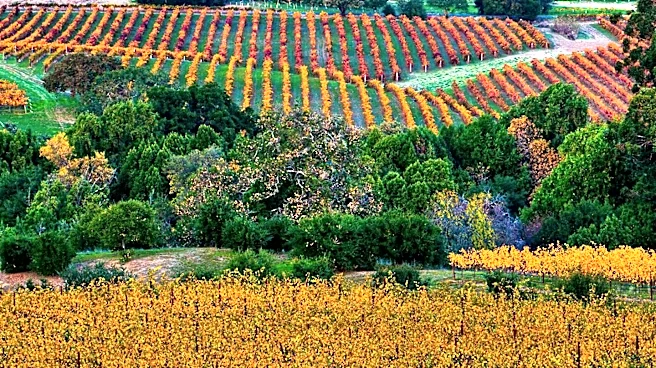
Julien Fayard, a French winemaker, has established himself in Napa Valley, bringing a cross-cultural approach to winemaking at Brion Wines' Sleeping Lady Vineyard. Starting in 2006, Fayard learned the Napa Valley trade and went solo with his consulting
and winemaking business by 2013. In 2015, Brion Wise, founder of Brion Wines, brought Fayard on board to diversify the estate's wine offerings. Fayard found inspiration in the Sleeping Lady Vineyard's 19th-century 'bank barn,' which he adapted for his winemaking process. He utilizes a gravity-fed system, allowing grapes and juice to move naturally through each stage of vinification without mechanical pumping, which he believes preserves aromatics better. Fayard notes that while winemaking rules are similar between France and California, the environmental constraints differ, with Napa winemakers needing to manage high alcohol levels, smoke taint, and blocked maturity due to high temperatures. His approach blends French-style terroir precision with California's practical tools, such as irrigation, to ensure consistent quality despite challenging conditions.
Why It's Important?
Fayard's integration of French winemaking traditions with California's innovative techniques represents a significant development in the U.S. wine industry, particularly in Napa Valley. This cross-cultural exchange enriches the diversity and complexity of American wines, offering consumers unique profiles that combine Old World elegance with New World adaptability. His focus on natural processes, like gravity-fed vinification, highlights a growing trend towards sustainable and less interventionist winemaking practices, which can lead to higher quality and more expressive wines. The ability to manage challenges like high temperatures and smoke taint, common in California, while maintaining a balance between alcohol and acidity, is crucial for the region's continued success and reputation. This approach not only elevates the quality of Brion Wines but also contributes to the broader evolution of American winemaking, demonstrating how international expertise can enhance local production and appeal to a more discerning and curious American food and wine culture.
What's Next?
Julien Fayard's continued work at Brion Wines, alongside other winemakers like Massimo Monticelli and Mark Herold, suggests a future of diverse and high-quality wine offerings from the estate. Brion Wise's ongoing expansion of the estate with more unique wines indicates a commitment to innovation and growth within the U.S. wine market. For consumers, this means an increasing array of sophisticated wines that reflect both traditional craftsmanship and modern adaptation. The growing American interest in food and wine, as noted by Fayard, points to a receptive market for these nuanced products. The recommendation to visit the Sleeping Lady estate and Maison Faillard in downtown Napa suggests that wine tourism and direct-to-consumer experiences will remain important avenues for engagement. The blending of international expertise with local conditions will likely continue to shape the trajectory of premium winemaking in regions like Napa Valley, fostering further innovation and quality improvements.
Beyond the Headlines
Fayard's story subtly highlights the cultural exchange and adaptation inherent in global industries like winemaking. His experience underscores the idea that while traditions are important, innovation and flexibility are essential for success in diverse environments. The contrast between French and Californian winemaking philosophies—one focused on terroir and the other on managing environmental challenges with practical tools—reveals different approaches to agricultural and artisanal production. This cross-pollination of ideas can lead to a richer, more resilient industry. Furthermore, the emphasis on natural processes, like gravity-fed systems, reflects a broader societal shift towards sustainability and authenticity in food and beverage production. This trend extends beyond wine, influencing consumer preferences and production methods across various sectors, as people increasingly seek products that are both high-quality and environmentally conscious. The narrative also touches on the personal aspect of cultural integration, as Fayard balances his French heritage with his life and work in the U.S.