
What's Happening?
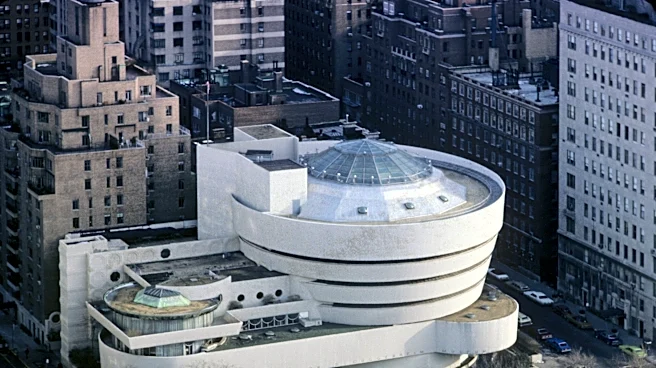
Guggenheim New York is set to host the 5th Underground Uptown Dance Festival from January 13-18, 2027. This festival, presented by Works & Process, will showcase a diverse range of dance forms including ballet, dance-theater, modern, and tap. A significant
highlight of the festival is the premiere of 'Brokeback Mountain, the Ballet,' a Works & Process production and commission based on Annie Proulx's short story, featuring choreography by Pontus Lidberg and music by David Conte. Other featured artists and companies include David Dorfman Dance, Orlando Hernández & The Knee-Heart Connection, Julia Antinozzi, and John Manzari. The festival will conclude with Limón Dance Company's 'The Moor’s Pavane Reimagined' by choreographer Akram Khan. The event aims to illuminate the creative process behind new works, bringing audiences closer to the artists and collaborations shaping the future of performing arts. Additionally, the festival will include 'The Minotaur' by Luis Quintero, a Hudson Valley Shakespeare commission, developed through a Works & Process residency.
Why It's Important?
This festival is important for the U.S. performing arts landscape as it provides a significant platform for both established and emerging choreographers and dancers. By commissioning and premiering new works like 'Brokeback Mountain, the Ballet,' Works & Process and the Guggenheim contribute to the evolution of contemporary dance and storytelling through movement. The inclusion of diverse dance forms and artists, such as David Dorfman Dance examining American democracy and Orlando Hernández exploring Afro-Indigenous and colonial histories, reflects a commitment to relevant and culturally rich artistic expression. The festival's emphasis on fully funded residencies underscores a vital support system for artists, enabling them to develop their creations with dignity and without financial constraints. This model not only fosters artistic innovation but also ensures that groundbreaking works can reach audiences, enriching the cultural fabric of New York City and potentially influencing national dance trends. The collaboration with various foundations and cultural departments highlights the collective effort required to sustain and advance the arts.
What's Next?
Following the festival, many of the works presented are slated for further development and performances. 'The Front Line' by David Dorfman Dance, for instance, is scheduled for its premiere at the 2027 American Dance Festival. Limón Dance Company's 'The Moor’s Pavane Reimagined' will have its premiere on January 30, 2027, at Northrop at the University of Minnesota, after its initial presentation at the Guggenheim. Julia Antinozzi and John Manzari, both recipients of Works & Process Open Call residencies, will continue to develop their new works with ongoing support. These subsequent engagements indicate a continued trajectory for these artistic creations beyond the festival, potentially leading to national and international tours. The ongoing support from various foundations and cultural institutions suggests a sustained commitment to nurturing these artists and their projects, ensuring their long-term impact on the performing arts scene.
Beyond the Headlines
The Underground Uptown Dance Festival at the Guggenheim represents more than just a series of performances; it embodies a critical ecosystem for artistic creation and dissemination in the U.S. The emphasis on 'fully funded Works & Process creative residencies' highlights a model that addresses the often-precarious financial realities faced by performing artists. By providing 24/7 studio access, housing, health insurance enrollment, and industry-leading artist fees, these residencies enable artists to focus solely on their creative process, fostering deeper artistic exploration and higher quality output. This approach not only supports individual artists but also strengthens the broader cultural infrastructure, ensuring a continuous flow of innovative and thought-provoking works. The festival's role in bringing these works from 'studio to stage' and engaging audiences in the 'creative process' fosters a more informed and appreciative public, bridging the gap between artistic creation and public consumption. This model could serve as a blueprint for other cultural institutions seeking to support and elevate the performing arts.