







What's Happening?
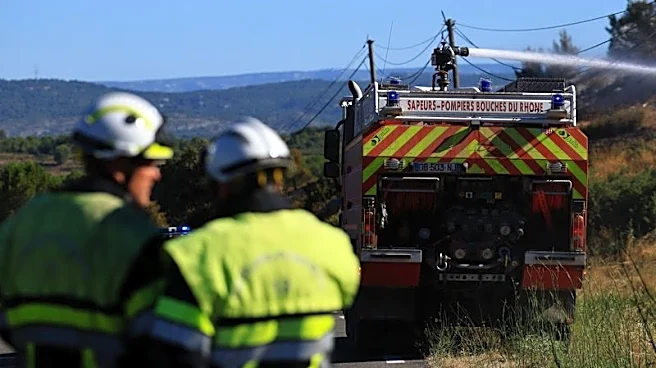
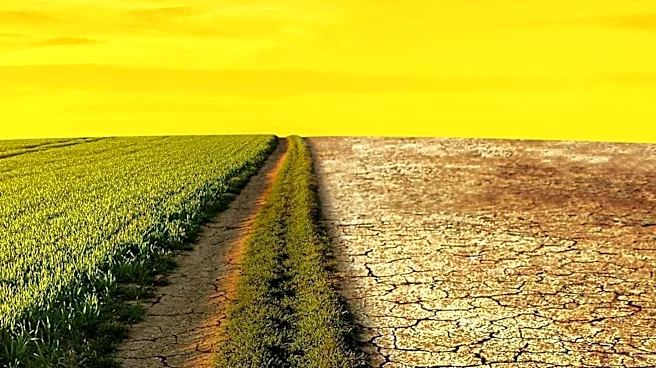
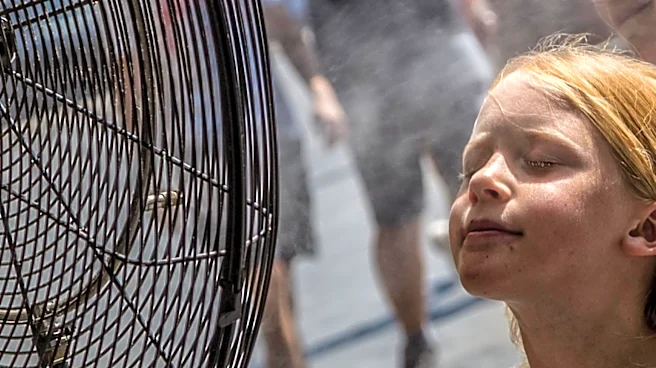
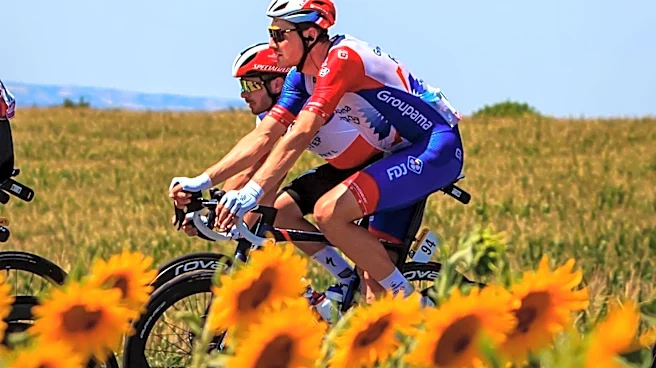
The 2026 Tour de France is preparing for possible stage cancellations as a severe heatwave is expected to hit Europe, with temperatures predicted to reach 44C in some regions of France and Spain. This unprecedented situation could lead to the first-ever
stage cancellations due to extreme heat in the race's history. The Tour's technical director, Thierry Gouvenou, acknowledged the challenge, noting that while the race has faced disruptions from wars, strikes, and pandemics, heat-related cancellations are a new concern. The extreme weather protocol allows for measures like extended feed zones and cold drinks, but these may not suffice under such intense conditions. The heatwave has already impacted other races, with riders suffering from heatstroke and significant time losses.
Why It's Important?
The potential cancellation of Tour de France stages due to extreme heat highlights the growing impact of climate change on global sporting events. This situation underscores the need for sports organizations to adapt to increasingly frequent and severe weather conditions. The Tour de France, a major international event, relies heavily on precise scheduling and extensive logistical support, making last-minute changes challenging. The heatwave also poses health risks to athletes, spectators, and support staff, emphasizing the importance of developing robust safety protocols. This development could prompt broader discussions on how to safeguard athletes and events in the face of climate change, potentially influencing future race planning and policies.
What's Next?
If the heatwave persists, the Tour de France may need to implement additional measures, such as earlier stage start times to avoid peak temperatures. However, such changes are complicated by international TV schedules and the logistical demands of the event, which involves over 28,000 personnel. The race organizers may also consider reducing stage lengths or altering routes to mitigate heat exposure. The situation could lead to increased pressure on cycling's governing bodies to establish more comprehensive extreme weather protocols. The outcome of this year's race could serve as a case study for other sports facing similar climate-related challenges.