



What's Happening?
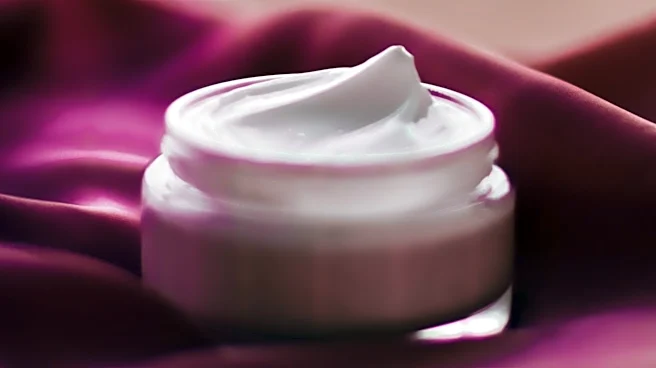
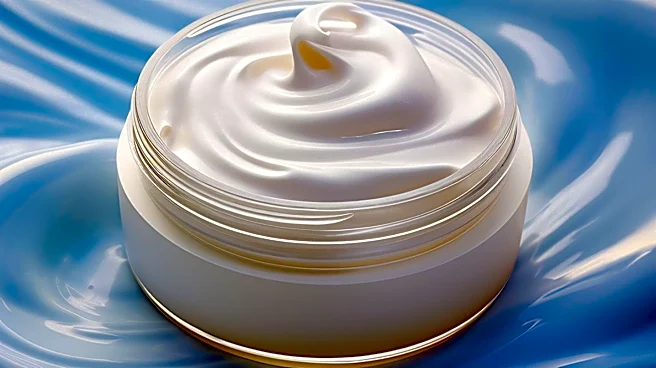
Barrier repair creams are being increasingly recommended by dermatologists for individuals experiencing dry, irritated, or sensitive skin, particularly those with conditions like rosacea. These creams are formulated to be thicker and more occlusive than
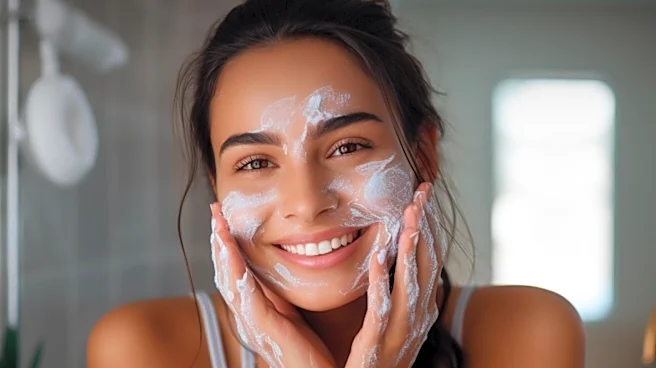
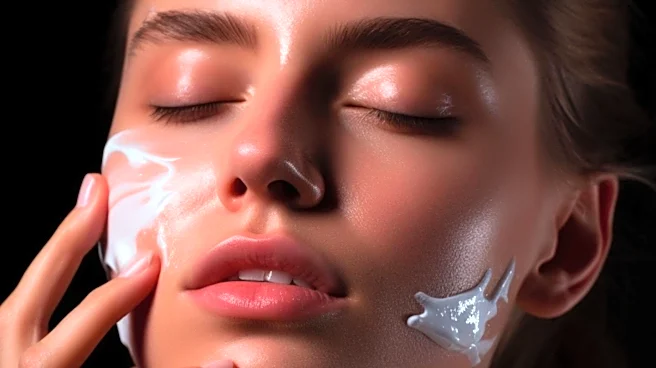
standard moisturizers, effectively locking in hydration and supporting the skin's natural repair processes overnight. Popular options include La Roche-Posay Cicaplast Baume B5 and Avène Cicalfate+ Restorative Protective Cream, both designed to soothe irritated skin and aid barrier recovery. The Biossance Squalane + Omega Repair Cream is also highlighted for its use of biomimetic ceramides and lipids to support the skin barrier. For optimal use, these creams are often applied as the final step in a nighttime routine, after cleansing and regular moisturizing, allowing them to work while the skin rests. It is advised to temporarily discontinue the use of potent active ingredients like retinoids, AHAs, and BHAs on barrier repair nights to prevent further irritation and promote healing.
Why It's Important?
The emphasis on barrier repair creams underscores a growing understanding of skin health, particularly for sensitive and compromised skin types. A healthy skin barrier is crucial for protecting against environmental aggressors, retaining moisture, and preventing inflammation. For individuals with chronic inflammatory conditions like rosacea, a compromised skin barrier can lead to increased redness, dryness, burning, stinging, and heightened sensitivity to skincare products. By incorporating barrier repair creams, individuals can significantly reduce moisture loss, alleviate irritation, and support the skin's natural defense mechanisms. This approach can lead to more comfortable skin, fewer flare-ups, and improved overall skin resilience, reducing the need for more intensive treatments and enhancing the efficacy of other skincare products.
What's Next?
The trend towards specialized barrier repair products is likely to continue, with more brands developing formulations tailored to specific skin concerns and sensitivities. Consumers can expect to see an increase in products featuring ceramides, fatty acids, and omega-rich oils, which are key ingredients for supporting the skin barrier. Dermatologists will likely continue to advocate for a 'less is more' approach during periods of skin irritation or flare-ups, emphasizing gentle cleansing, moisturizing, and barrier repair over aggressive active ingredients. The integration of these creams into regular skincare routines, especially for those with sensitive or compromised skin, will become more commonplace, potentially leading to a broader range of accessible and effective options in the market. Further research into the skin microbiome and its interaction with barrier repair ingredients may also lead to more advanced product developments.
Beyond the Headlines
Beyond their immediate benefits for skin health, the rise of barrier repair creams reflects a broader shift in consumer awareness towards holistic skin wellness rather than solely focusing on anti-aging or corrective treatments. This movement highlights the importance of maintaining the skin's fundamental integrity as a prerequisite for addressing other concerns. The focus on gentle, supportive ingredients also has ethical implications, promoting products that are less likely to cause adverse reactions and more inclusive of individuals with highly sensitive skin. This approach encourages a more mindful and patient relationship with skincare, emphasizing long-term health and resilience over quick fixes. It also challenges the notion that more aggressive treatments are always better, advocating for a balanced routine that prioritizes the skin's natural functions and protective capabilities.