




What's Happening?
A growing trend towards non-alcoholic beverages is emerging, primarily fueled by increased health consciousness and evolving lifestyle choices. Individuals are becoming more aware of the impact of alcohol on their well-being, with modern health-tracking
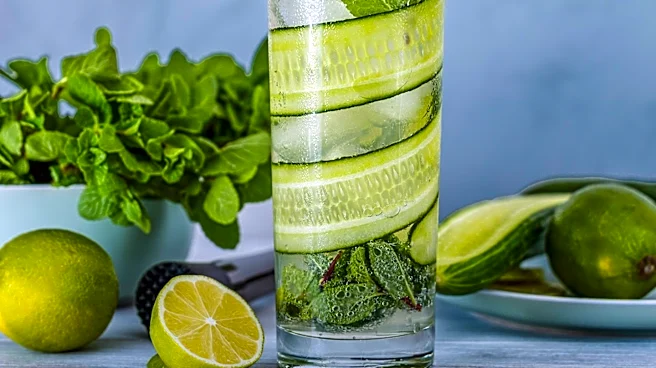
technology highlighting its effects on sleep and physical health. This awareness is leading to a shift in drinking habits, where consumers, including those managing conditions like diabetes, are opting for non-alcoholic alternatives. The concept of 'zebra striping' is gaining traction, where individuals alternate between alcoholic and non-alcoholic drinks during social occasions. This approach allows for moderation without completely abandoning the social ritual of drinking, offering greater flexibility in consumption choices. The market is seeing innovation in non-alcoholic options, with producers focusing on high-quality ingredients and sophisticated production methods to create compelling alternatives to traditional alcoholic beverages.
Why It's Important?
This shift in consumer behavior has significant implications for the U.S. beverage industry, particularly for wine and spirits producers. The rising demand for non-alcoholic options presents both a challenge and an opportunity. Traditional alcohol companies may see a decline in sales if they do not adapt to this trend, while new players focusing on non-alcoholic alternatives stand to gain market share. The 'zebra striping' phenomenon suggests a move towards more mindful consumption, which could lead to a broader re-evaluation of alcohol's role in social settings. This trend also impacts public health, as reduced alcohol consumption can lead to improved health outcomes. The emphasis on health and wellness, driven by technology and personal awareness, is reshaping consumer preferences and forcing the industry to innovate and diversify its product offerings to meet these changing demands.
What's Next?
The non-alcoholic beverage market is expected to continue its growth trajectory, with further innovation in product development and production methods. Companies will likely invest more in research to create non-alcoholic options that closely mimic the sensory experience of traditional alcoholic drinks, focusing on aroma recovery and mouthfeel. The 'zebra striping' trend could become a more widely accepted social norm, leading to increased availability of diverse non-alcoholic choices in restaurants, bars, and retail outlets. Educational initiatives will be crucial to overcome any lingering skepticism about the quality and enjoyment of non-alcoholic beverages. The industry may also see more collaborations between traditional alcohol producers and non-alcoholic brands as they seek to cater to a wider range of consumer preferences and integrate these new options into existing distribution networks.
Beyond the Headlines
The conscious drinking movement extends beyond mere product consumption, reflecting deeper societal shifts towards wellness, personal responsibility, and inclusivity. The normalization of non-alcoholic options challenges traditional social pressures associated with alcohol consumption, fostering environments where individuals feel comfortable choosing not to drink without explanation. This cultural shift could lead to a redefinition of social gatherings, emphasizing connection and experience over intoxication. Ethically, it promotes healthier lifestyles and reduces the societal burden of alcohol-related issues. Legally, it may prompt a review of regulations surrounding the labeling and marketing of non-alcoholic beverages to ensure clarity for consumers. Ultimately, this trend signifies a broader cultural evolution where personal well-being and mindful choices are increasingly prioritized, influencing not just what people drink, but how they socialize and perceive health.