





What's Happening?
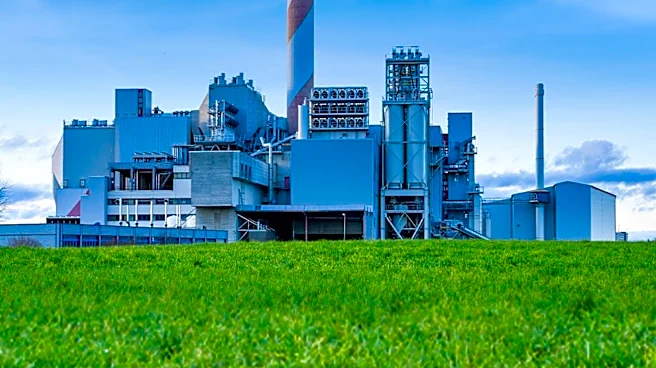
The Southeast region of the United States is rapidly becoming a central hub for battery and electric vehicle (EV) plant construction, attracting tens of billions of dollars in new investments. This surge in development is creating a significant demand
for specialized staffing, particularly in areas that historically lack an existing battery workforce. Companies are actively recruiting for a wide range of roles, from plant startup and engineering to production, maintenance, quality assurance, and environmental, health, and safety (EHS) positions. The challenge lies in staffing these 'greenfield' gigafactories, which require thousands of hires quickly, often necessitating the import of specialist talent while simultaneously building local crews. Staffing agencies are focusing on providing both contract workers for initial ramps and permanent teams for core operations, emphasizing speed and specialized knowledge in cell, pack, and module manufacturing.
Why It's Important?
The concentration of battery and EV manufacturing in the Southeast U.S. signifies a major shift in the nation's industrial landscape, with profound implications for economic development and workforce dynamics. This 'Battery Belt' is poised to create thousands of high-skilled jobs, stimulating local economies in regions that may not have prior experience in advanced manufacturing. The need to import specialist talent and develop local workforces from scratch highlights a critical skills gap that will require significant investment in training and education programs. Success in staffing these plants will be crucial for the U.S. to establish a robust domestic supply chain for EVs and reduce reliance on foreign manufacturing, particularly from countries like China. The ability to quickly and effectively staff these facilities will directly impact the production capacity and competitiveness of the U.S. EV industry, influencing consumer adoption and the broader transition to sustainable transportation.
What's Next?
The immediate future will see continued aggressive recruitment efforts across the Southeast to meet the staffing demands of these new battery and EV plants. Companies and staffing agencies will likely intensify their strategies to attract and retain talent, potentially through competitive compensation packages, specialized training initiatives, and relocation assistance. There will be an increased focus on developing local talent pipelines through partnerships with educational institutions and vocational programs to build a sustainable workforce. Furthermore, as these plants become operational, the emphasis will shift towards optimizing production processes and ensuring high-quality output, which will require ongoing investment in process and quality engineering talent. The success of these staffing efforts will be a key indicator of the U.S.'s ability to scale up its EV manufacturing capabilities and compete globally in the electric vehicle market.
Beyond the Headlines
The emergence of the 'Battery Belt' in the Southeast U.S. carries deeper implications beyond immediate job creation and economic investment. It represents a strategic national effort to re-shore critical manufacturing capabilities and enhance energy independence. This industrial transformation could lead to significant demographic shifts as skilled workers relocate to these new manufacturing hubs, potentially revitalizing smaller communities. The emphasis on specialized talent also underscores the evolving nature of manufacturing, where advanced technical skills in areas like cell production, automation, and quality control are paramount. This development could also spur innovation in workforce development models, as companies and regions collaborate to build entirely new talent ecosystems. The long-term success of this initiative will depend not only on attracting initial investment but also on fostering a sustainable environment for technological advancement, continuous skill development, and robust supply chain integration, ultimately shaping the future of American manufacturing and its role in the global green economy.