







What's Happening?
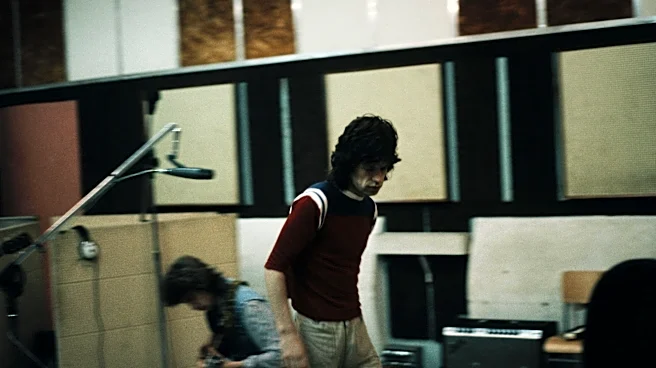
The Rolling Stones have released an archival track titled 'Come to the Ball,' which originated from recording sessions in Kingston, Jamaica, between November and December 1972. The song, initially known as 'Windmill,' features vocal overdubs recorded
in London in Spring 2021. This track was included in the 2021 reissue of their album 'Tattoo You,' marking its 40th anniversary. The release highlights the band's practice of revisiting and polishing older, unreleased material for deluxe editions of their albums. 'Come to the Ball' showcases the band's creative process during a period when their musical interests extended beyond conventional rock and roll, blending Jamaican studio history with modern production touches. The song's journey from its original recording to its eventual release nearly five decades later raises questions about the changes made and why it remained in the vault for so long.
Why It's Important?
The release of 'Come to the Ball' is significant for fans and music historians, offering new insight into The Rolling Stones' extensive catalog and their creative evolution. It demonstrates the enduring value of archival recordings and how previously unreleased material can be revitalized for contemporary audiences. This practice of reissuing deluxe editions with bonus tracks has become a common strategy in the music industry, allowing artists to generate renewed interest in their back catalog and provide deeper context to their work. For The Rolling Stones, it reinforces their status as a band with a rich and continuously unfolding history, proving that even decades-old recordings can still resonate and offer fresh perspectives on their artistic journey. The track's blend of historical recording with modern overdubs also highlights the technological advancements in music production that allow for such retrospective projects.
What's Next?
The Rolling Stones are likely to continue their tradition of revisiting and reissuing archival material, especially for significant album anniversaries. This approach not only satisfies fan demand for new content but also serves as a commercial strategy to keep their music relevant across generations. The success of tracks like 'Come to the Ball' could encourage other legacy artists to delve into their own vaults, potentially leading to a trend of more archival releases in the music industry. Future reissues from The Rolling Stones may explore other unreleased tracks or alternative takes from their extensive recording history, offering further glimpses into their creative process and the evolution of their sound. The band's ongoing engagement with their past ensures their legacy remains vibrant and accessible.
Beyond the Headlines
The release of 'Come to the Ball' transcends a simple song release; it speaks to the broader cultural phenomenon of preserving and reinterpreting artistic heritage. It raises questions about the ownership and evolution of creative works over time, especially when original recordings are modified decades later. Ethically, it prompts discussions on how much an artist can alter their past work while maintaining its authenticity. Legally, it touches upon copyright and intellectual property rights over unreleased material. Culturally, it highlights the enduring fascination with rock and roll legends and their creative processes, offering a window into the historical context of their music. This trend of 'vault diving' also reflects a shift in how music consumption and appreciation are evolving, with a growing emphasis on historical context and the complete artistic journey of iconic bands.