


What's Happening?
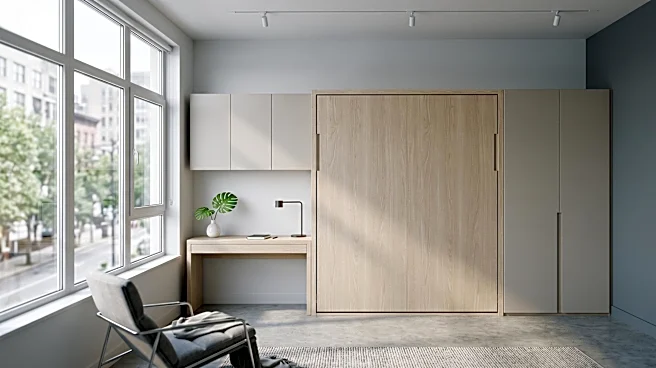
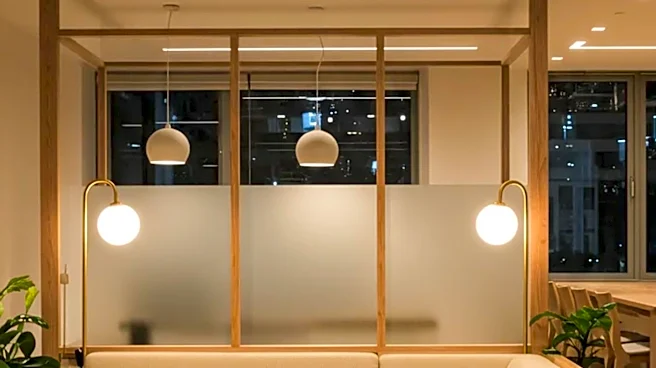
Studio apartment design is evolving to prioritize the creation of distinct zones within a single room, addressing the challenge of combining living, sleeping, eating, and working areas. Designers emphasize mapping out space, selecting layouts based on room shape,
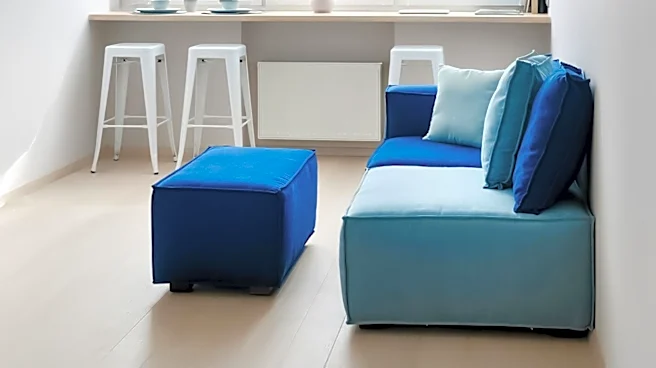
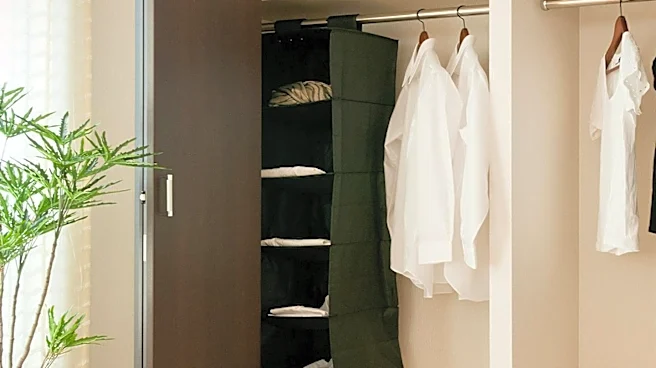
and dividing areas without constructing physical walls. Key strategies include using rugs, furniture placement, open bookcases, and curtains to visually separate zones. The approach also advocates for multi-functional furniture, such as beds with storage or drop-leaf tables, to maximize utility in limited spaces. This design philosophy aims to make studio apartments feel more organized and functional, moving away from the perception of a single, undifferentiated room.
Why It's Important?
This shift in studio apartment design is important for urban dwellers and the real estate market, particularly in areas with high population density and smaller living spaces. By optimizing functionality and perceived spaciousness, these design principles can enhance the quality of life for residents in studio apartments, making compact living more appealing and sustainable. For the furniture and interior design industries, this trend highlights a demand for innovative, space-saving, and versatile products. It also influences architectural planning for new residential developments, encouraging designs that facilitate flexible zoning. The emphasis on efficient space utilization can lead to increased property values and rental appeal for studio units that successfully implement these design strategies, benefiting both landlords and tenants.
What's Next?
The trend towards zoned and multi-functional studio apartment design is expected to continue influencing product development in the home furnishings sector, with a focus on modular and convertible pieces. Interior designers will likely further specialize in small-space solutions, offering tailored services for studio residents. Educational resources and online platforms dedicated to small-space living are also anticipated to grow, providing more accessible design ideas and product recommendations. As urban populations continue to expand, these design principles may become standard practice for studio and micro-apartment developments, potentially leading to new building codes or design guidelines that encourage efficient space planning. The integration of smart home technology could also play a larger role in enhancing the functionality and adaptability of these zoned living spaces.
Beyond the Headlines
Beyond the immediate practical benefits, this design movement reflects broader societal trends towards minimalism, sustainability, and adaptable living. The emphasis on multi-functional items and efficient space use aligns with a desire to reduce consumption and live more intentionally. Ethically, it raises questions about housing affordability and how design can mitigate the psychological impacts of living in smaller spaces. Culturally, it challenges traditional notions of home, suggesting that comfort and functionality are not solely dependent on square footage but on thoughtful design. This approach could also foster a greater appreciation for innovative design solutions in everyday living, influencing how people interact with their personal environments and potentially leading to a re-evaluation of what constitutes a 'complete' home.