






What's Happening?
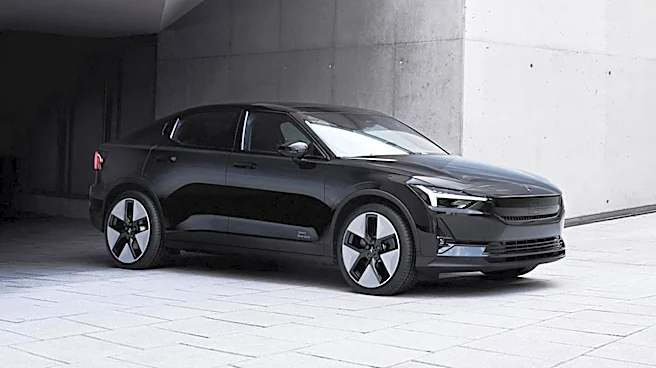
The European Union's tariffs on electric vehicles (EVs) have led to a shift in production strategies among Western carmakers, while Chinese brands continue to expand their market presence. Western companies like Tesla, BMW, and Volvo have moved production from
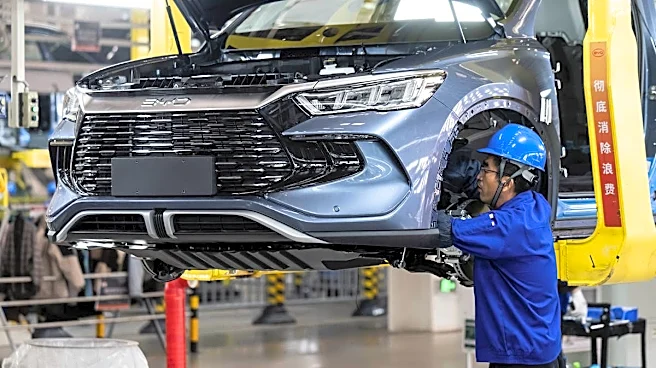
China to Europe, resulting in a decrease in the market share of Chinese-produced EVs in the EU. Despite this, Chinese brands have increased their imports and now account for more than half of Chinese EV imports into the EU. The tariffs have also prompted Chinese manufacturers to onshore production to Europe and focus on plug-in hybrid vehicles (PHEVs), with their market share in the EU PHEV market rising from 3% in 2024 to 13% in 2026.
Why It's Important?
The EU's trade measures are reshaping the global automotive industry, influencing where and how vehicles are produced. The shift in production by Western brands to Europe is a strategic response to avoid tariffs and maintain competitiveness. However, the continued growth of Chinese brands highlights the challenges European manufacturers face in maintaining market dominance. The increase in Chinese battery imports, which face minimal tariffs, further complicates the competitive landscape. These developments underscore the need for the EU to balance trade protection with fostering a competitive domestic industry, particularly in the rapidly evolving EV market.
What's Next?
The EU is considering additional trade measures, including tariffs on Chinese batteries, to protect its domestic industry. The potential introduction of a 20% tariff on Chinese batteries could impact the cost of EU-made EVs, but is seen as necessary to support European battery manufacturers. The EU is also evaluating its car CO2 targets, with potential revisions that could influence the market share of Chinese brands. These decisions will play a crucial role in shaping the future of the European automotive industry and its ability to compete globally.