




What's Happening?
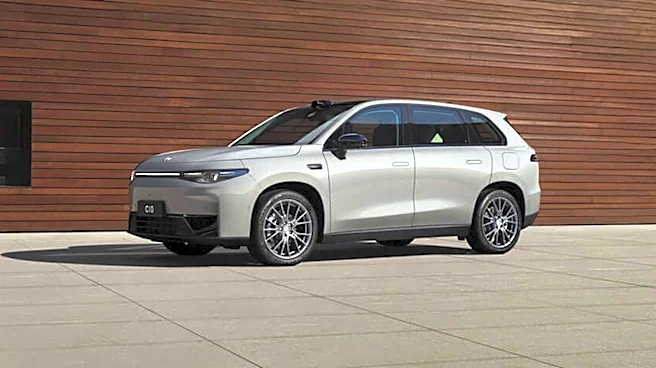
Opel and Leapmotor have formalized a cooperation agreement to develop a new Opel C-SUV. This vehicle will integrate core components from Leapmotor with Opel's engineering expertise and will be manufactured at the Stellantis plant in Zaragoza, Spain. Sales
for the new C-SUV are projected to commence in 2028, with joint development efforts already underway by teams in Rüsselsheim and Hangzhou. This project is part of the broader collaboration between Stellantis and Leapmotor, aligning with the FaSTLAne 2030 plan. The division of labor leverages each company's strengths: Opel is responsible for the design, cabin ergonomics, chassis engineering, lighting, and seating, while Leapmotor provides the core hardware. This strategic partnership aims to significantly accelerate Opel's electrification and growth objectives, allowing the automaker to introduce a new SUV model on a compressed timeline, joining its existing Mokka, Frontera, and Grandland SUV lineup.
Why It's Important?
This collaboration is highly significant for both Opel and Leapmotor, as well as the broader automotive industry. For Opel, it represents a crucial step in expediting its electrification strategy and expanding its SUV portfolio. By leveraging Leapmotor's hardware, Opel can reduce development time and costs, allowing it to bring a competitive electric C-SUV to market more quickly. This is vital in the rapidly evolving EV landscape where speed to market is a key differentiator. For Leapmotor, the partnership provides an established brand presence in Europe through Opel, widening its reach and market penetration. The arrangement also demonstrates a growing trend of international collaborations in the automotive sector, particularly between Western and Chinese manufacturers, to share technology and manufacturing capabilities. This model of combining core hardware from one region with design and engineering from another could become a blueprint for future global automotive partnerships, fostering innovation and efficiency in EV development.
What's Next?
The joint development teams in Rüsselsheim and Hangzhou are actively working on the new Opel C-SUV, with sales targeted to begin in 2028. The manufacturing will take place at the Stellantis plant in Zaragoza, Spain, which already produces the Corsa and Corsa GSE, ensuring seamless integration into the existing Stellantis network in Europe. The success of this project will be closely watched as it tests the efficacy of shared engineering and cross-continental collaboration in delivering a credible and competitive electric SUV. If successful, this model could pave the way for further joint ventures and technology sharing agreements within the Stellantis group and with other global partners. The market reception of this C-SUV will also provide valuable insights into consumer acceptance of vehicles resulting from such international partnerships, particularly regarding the blend of different engineering philosophies and component origins.
Beyond the Headlines
This partnership between Opel and Leapmotor highlights a deeper strategic shift in the global automotive industry, where traditional Western automakers are increasingly looking to Chinese manufacturers for advanced EV technology and cost-effective hardware solutions. This trend is driven by the rapid pace of innovation in China's EV sector and the need for established brands to remain competitive in the electric transition. The 'core hardware from China with final assembly in Spain' model could lead to a more integrated global supply chain for electric vehicles, potentially impacting manufacturing hubs and labor markets. Furthermore, it raises questions about brand identity and consumer perception when vehicles combine components from different regions. The success of this venture could influence future regulatory frameworks concerning international automotive collaborations and intellectual property sharing, as the industry navigates a more interconnected and technologically diverse landscape.