


What's Happening?
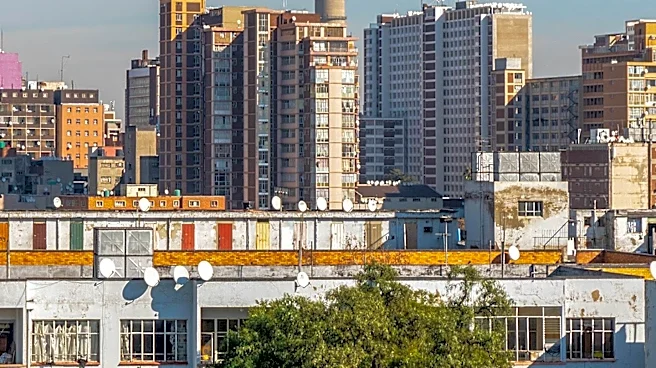
Major African cities are characterized by distinct urban identities shaped by commerce, culture, and history, with accessible natural escapes often just hours away. The continent's urban infrastructure varies significantly; Johannesburg and Lagos serve
as key commercial hubs with developed hospitality and transport sectors. In contrast, cities like Kigali and Kampala have made substantial investments in road networks and tourism infrastructure over the past two decades. These improvements have expanded weekend travel options for their burgeoning middle classes. Weekend travel within African countries typically follows established corridors, such as roads and rail lines, connecting capitals to coastal areas, highland retreats, or national parks. Safari lodges, beach resorts, and eco-camps located within a few hours of major cities have broadened their offerings to cater to domestic travelers, a market that has grown in parallel with urban professional populations. This dynamic between city living and short-distance travel is becoming a defining aspect of how residents in Africa structure their leisure time, from Nairobi's Westlands district to Cape Town's Atlantic Seaboard, reflecting a blend of colonial history, postcolonial growth, and rapid modernization.
Why It's Important?
The development of urban infrastructure and the growth of domestic tourism in African cities signify a broader economic and social transformation across the continent. The investment in road networks and tourism infrastructure in cities like Kigali and Kampala not only improves connectivity but also stimulates local economies by making weekend travel more accessible and appealing to a growing middle class. This trend supports the hospitality sector, including safari lodges, beach resorts, and eco-camps, which are adapting their services to meet the demands of domestic travelers. The increasing focus on local tourism reduces reliance on international visitors, providing a more stable and resilient tourism industry. Furthermore, the blend of historical influences and rapid modernization in these urban centers creates unique cultural and commercial environments, attracting both residents and potential investors. This shift highlights the continent's evolving economic landscape, where urban development and leisure activities are increasingly intertwined, fostering new opportunities for local businesses and enhancing the quality of life for urban populations.
What's Next?
The continued investment in infrastructure and the expansion of domestic tourism are likely to further solidify the role of African cities as dynamic centers of commerce and leisure. As urban professional populations continue to grow, the demand for accessible weekend retreats and diverse urban experiences is expected to increase. This will likely lead to further development in the hospitality sector, with more tailored offerings for local travelers. Governments and private entities may continue to prioritize infrastructure projects, such as road and rail networks, to enhance connectivity between urban centers and natural attractions. The evolving relationship between city living and short-distance travel suggests a future where urban planning and tourism development are increasingly integrated, aiming to provide residents with a balanced lifestyle that includes both vibrant city experiences and tranquil natural escapes. This trend could also attract more international attention to Africa's diverse urban and natural landscapes, potentially boosting foreign investment in both sectors.
Beyond the Headlines
The interplay between urban development and the accessibility of natural retreats in Africa reflects a deeper societal shift towards valuing leisure and well-being among the continent's growing middle class. This trend goes beyond mere economic growth, indicating a change in lifestyle aspirations and consumption patterns. The ability to easily transition from the bustling environment of a city to a serene natural setting highlights a unique aspect of African urbanism, where the wilderness is not a distant concept but an integral part of the regional landscape. This proximity fosters a stronger connection to nature and potentially influences environmental conservation efforts, as more residents engage with and appreciate their natural heritage. Culturally, this blend of urban dynamism and natural tranquility could shape a distinct African identity, where modern living coexists with traditional values of community and connection to the land. The development also presents ethical considerations regarding sustainable tourism and urban expansion, ensuring that growth benefits local communities and preserves natural ecosystems.