







What's Happening?
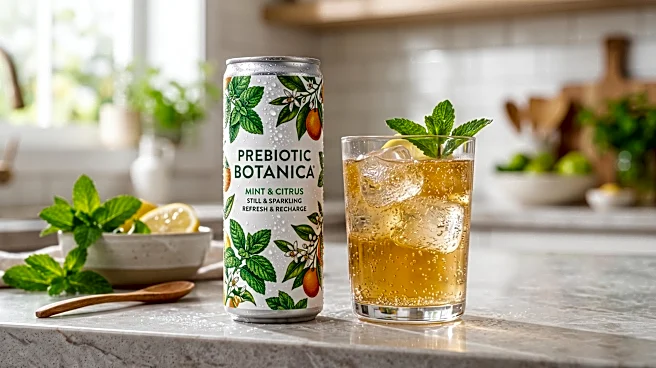
Prebiotic sodas are gaining traction in the U.S. as a functional carbonated beverage designed to support gut health. Unlike traditional sodas, which are primarily focused on taste and refreshment and often contain high levels of sugar, prebiotic sodas incorporate
prebiotic fibers such as Fructooligosaccharides (FOS) and Inulin. These fibers are not digested in the human body but instead travel to the large intestine, where they nourish beneficial gut bacteria. This process helps support a balanced gut microbiome and increases dietary fiber intake. Brands like Olipop and Poppi have been instrumental in establishing this category, offering lower sugar and calorie options. For instance, Delulu Floripop, a brand in this category, offers zero-sugar, low-calorie options with 10g of prebiotic fiber. The growing consumer awareness about nutrition and the desire for 'better-for-you' beverage options are driving the popularity of these drinks.
Why It's Important?
The rise of prebiotic sodas signifies a notable shift in the U.S. beverage industry, moving towards functional drinks that offer health benefits beyond basic hydration. This trend impacts traditional soft drink manufacturers, compelling them to innovate and potentially reformulate their products to compete with healthier alternatives. For consumers, it provides options to reduce sugar intake and increase fiber consumption, contributing to better digestive health. The market for 'better-for-you' sodas has evolved from a niche wellness product into a multi-billion-dollar segment, indicating a significant change in consumer preferences. This shift could lead to increased investment in research and development for functional ingredients and new product lines, benefiting companies that adapt quickly while posing a challenge to those reliant on conventional, high-sugar beverages. The emphasis on gut health also aligns with broader wellness trends, influencing dietary choices and product development across the food and beverage sector.
What's Next?
The market for prebiotic sodas is expected to continue its growth trajectory, with more brands likely to enter the segment, including potential offerings from legacy beverage companies. As consumer demand for functional and healthier drink options increases, there will be a greater focus on product innovation, including new flavor profiles and diverse prebiotic fiber sources. Packaging and marketing strategies will also evolve, with brands needing to clearly communicate the health benefits and functional claims of their products to consumers. The success of brands like Olipop and Poppi in establishing this category suggests that other companies will seek to replicate their model, potentially leading to a more competitive landscape. Furthermore, as the category matures, there may be increased scrutiny from regulatory bodies regarding health claims and ingredient transparency, ensuring that products deliver on their promised benefits.
Beyond the Headlines
The emergence of prebiotic sodas reflects a broader cultural shift towards proactive health management and a deeper understanding of the gut microbiome's role in overall well-being. This trend extends beyond beverages, influencing product development in various food categories. The challenge for brands will be to effectively educate consumers about the science behind prebiotics and their benefits, distinguishing themselves from mere 'diet' or 'low-sugar' alternatives. There's also an ethical dimension concerning the authenticity of health claims and the potential for 'healthwashing,' where products are marketed as healthy without substantial evidence. As the market expands, the long-term impact on public health, particularly in reducing chronic diseases associated with high sugar consumption, will be a critical area of observation. This movement could also spur further scientific research into the specific benefits of different prebiotic fibers and their optimal integration into daily diets.