




What's Happening?
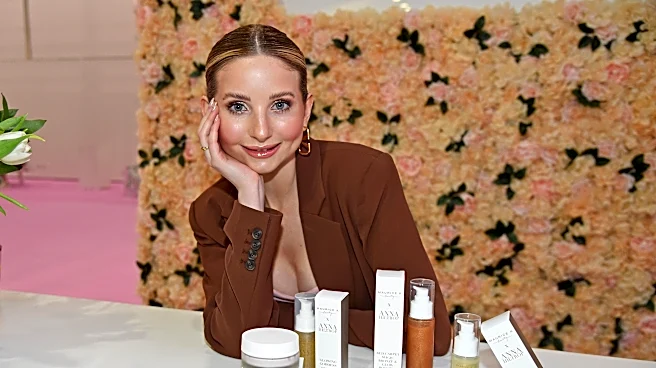
Experienced entrepreneurs are launching 'second act' brands in the U.S. beauty and wellness markets, leveraging past lessons and industry connections. Libby Boxall, co-founder of Milou, has introduced a brand combining topical skincare with ingestible
beauty products, with her Cellular Beauty range selling six months' worth of projected inventory in its first month. Bill Glaab, who previously sold Hand in Hand, launched Mayday, a pesticide-free head lice treatment brand, which has quickly gained traction on Amazon and is set for retail debut. Joanna Shu, former CEO of Refresh Skin Therapy, founded Cartwheel, which launched the pesticide-free lice treatment Nit Happens, now in Walgreens stores. Serial entrepreneur Deep Patel, after success in CBD and men's grooming, launched Ulo, a telehealth hair loss company. Steven Neiger, co-founder of Sky Organics, introduced Maeva, a nutrition and supplement brand inspired by GLP-1 medications. Mikey Moran, founder of Private Label, entered men's body care with GLZD, offering scented body glazes.
Why It's Important?
These 'second act' ventures by seasoned entrepreneurs are significant for the U.S. consumer market as they bring refined business strategies, deeper market insights, and often, more efficient operational models. Their prior experiences, including both successes and failures, enable them to navigate competitive landscapes with greater precision, focusing on profitability, brand building, and customer loyalty from the outset. This trend indicates a maturing entrepreneurial ecosystem where founders are not just creating new products but are also innovating business models, supply chains, and marketing approaches. The focus on specific niches like ingestible beauty, natural lice treatments, telehealth for hair loss, and GLP-1-inspired supplements reflects a responsiveness to evolving consumer demands for specialized, science-backed, and wellness-oriented products.
What's Next?
The U.S. beauty and wellness sectors are likely to see continued innovation driven by these experienced entrepreneurs. Their ability to secure funding, establish retail partnerships, and quickly gain market share suggests a dynamic period of growth and competition. Brands like Milou are planning further product expansions, while Mayday and Nit Happens are expanding their retail footprints. Ulo and Maeva are capitalizing on emerging health trends, indicating a future where personalized wellness solutions become more prevalent. The success of these ventures could also inspire a new wave of 'second act' entrepreneurs, further diversifying the market and pushing established brands to innovate more rapidly to maintain their competitive edge.
Beyond the Headlines
The phenomenon of 'second act' entrepreneurs highlights the value of accumulated experience and resilience in the business world. These founders are not just launching new products; they are often addressing market gaps they identified through personal experiences or previous ventures, bringing a deeper level of authenticity and problem-solving to their brands. This trend also underscores the evolving nature of consumer expectations, with a growing demand for transparency, efficacy, and products that align with personal values. The shift towards direct-to-consumer (DTC) models, coupled with strategic retail partnerships, indicates a hybrid approach to market entry that leverages both digital reach and traditional distribution channels, reflecting a sophisticated understanding of modern commerce.