



What's Happening?
A Missouri judge has approved a settlement requiring agrochemical maker Bayer to pay up to $7.25 billion over two decades. This settlement resolves thousands of claims from U.S. cancer patients who assert that the company's popular weed killer, Roundup,
caused lymphoma. The nationwide agreement covers both current Roundup users diagnosed with non-Hodgkin lymphoma and those who may be diagnosed in future years. Individual payouts could range from an average of $10,000 to $165,000, depending on factors such as product usage, age at diagnosis, and illness severity. Bayer, a Germany-based company, denies that Roundup causes cancer and views this settlement as a way to gain financial certainty against ongoing litigation costs. The company acquired Monsanto in 2018, inheriting a growing number of lawsuits alleging glyphosate, Roundup's active ingredient, causes non-Hodgkin lymphoma. While the World Health Organization's International Agency for Research on Cancer classified glyphosate as 'probably carcinogenic' in 2015, the U.S. Environmental Protection Agency has determined it's not likely to cause cancer in humans when used as directed. Bayer has already removed glyphosate from new versions of Roundup sold for residential markets.
Why It's Important?
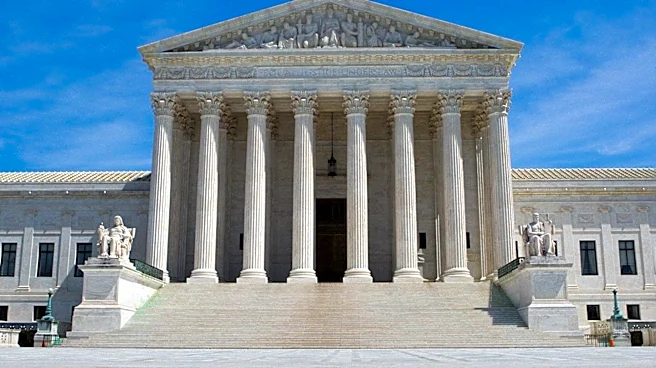
This significant settlement provides a measure of financial relief for thousands of U.S. cancer patients who have pursued claims against Bayer regarding Roundup. For Bayer, the approval offers a degree of financial predictability, mitigating the substantial litigation costs that have accumulated. The company had previously set aside $16 billion for legal expenses related to Roundup cases, and this new settlement aims to address most remaining and future lawsuits. The ruling also highlights the complex legal landscape surrounding product liability, particularly when scientific opinions on health risks differ between international and national regulatory bodies. The U.S. Supreme Court's prior ruling, which stated Bayer could not be sued in state courts for failing to warn about cancer due to federal regulations, influenced the context of this settlement, making it a more favorable outcome for some plaintiffs than continued litigation. This case underscores the challenges faced by large corporations in managing product safety claims and the potential for massive financial liabilities.
What's Next?
The approved settlement will lead to the distribution of funds to eligible cancer patients over the next two decades. While the decision could be appealed, it marks a significant step towards resolving a large portion of the Roundup litigation. Bayer CEO Bill Anderson stated that the court-approved settlement is a 'decisive milestone' in the company's strategy to mitigate risks from both pending and future Roundup litigation. The settlement's structure, with annual payments into a special fund, aims to provide guaranteed compensation. However, some attorneys for cancer patients have expressed concerns that individual payouts might be too small and the terms too restrictive, potentially locking in future claimants without the possibility of punitive damages. The ongoing debate about the safety of glyphosate and the implications for product labeling and corporate responsibility will likely continue to be a subject of public and legal scrutiny.
Beyond the Headlines
This settlement extends beyond immediate financial compensation, touching upon broader implications for corporate accountability and public health. The differing scientific conclusions from the World Health Organization and the U.S. Environmental Protection Agency regarding glyphosate's carcinogenicity highlight the complexities of scientific consensus and its impact on legal and regulatory frameworks. The case also brings into focus the ethical considerations for companies in warning consumers about potential health risks, especially when scientific evidence is contested. The decision by Bayer to remove glyphosate from residential Roundup products, while maintaining it for agricultural use, suggests a strategic shift in response to public perception and legal pressures. This could set a precedent for how companies manage products with disputed health impacts, potentially influencing future product formulations and marketing strategies in the agrochemical industry. The long-term effects on public trust in both corporate responsibility and regulatory oversight will be a critical aspect to observe.