







What's Happening?
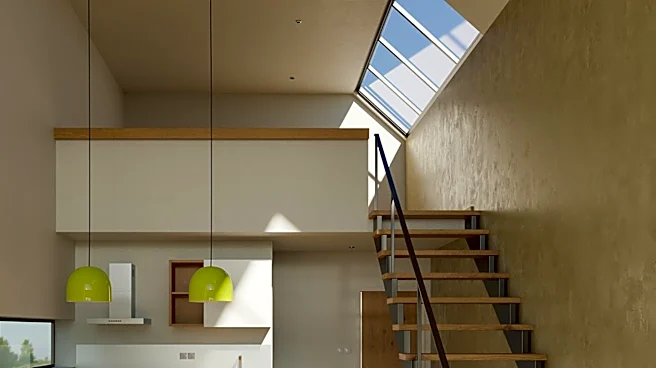
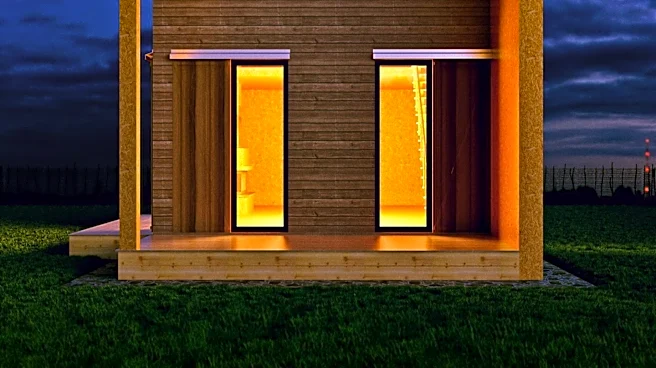
Dragon Tiny Homes has unveiled its latest model, the Fairfax 20, a 20-foot, single-floor tiny home priced at $33,700. This new design emphasizes simplicity and functionality, offering a 170-square-foot living space that includes a lofted sleeping area,
a full kitchen with an induction cooktop, a refrigerator/freezer, and a washer/dryer unit. The home also features a full bathroom and six picture windows, providing ample natural light. The design focuses on horizontal flow, avoiding the cramped feel of many compact homes. The Fairfax 20 is positioned as an accessible housing option, priced lower than many cars and significantly less than the average down payment on a traditional home.
Why It's Important?
The introduction of the Fairfax 20 by Dragon Tiny Homes highlights a growing trend in the housing market towards affordable and minimalist living solutions. As housing prices continue to rise, the tiny home movement offers a viable alternative for those seeking to downsize or live more sustainably. The Fairfax 20's design addresses common issues in tiny home living by providing a functional and comfortable space without unnecessary luxury. This model could appeal to a wide range of buyers, including those looking for a primary residence, a backyard accessory dwelling unit (ADU), or a rental property. Its affordability and versatility make it a significant option in the current housing landscape.
What's Next?
As the tiny home movement gains momentum, models like the Fairfax 20 could influence broader housing trends, encouraging more people to consider minimalist living. Dragon Tiny Homes may continue to innovate in this space, potentially expanding their offerings to include more customizable options or larger models. The success of the Fairfax 20 could also inspire other manufacturers to develop similar affordable housing solutions, further diversifying the market. Additionally, local governments might need to adapt zoning laws to accommodate the increasing demand for tiny homes as primary residences or ADUs.
Beyond the Headlines
The Fairfax 20's design challenges traditional notions of what a home should be, prompting a reevaluation of space and necessity. By focusing on essential features and efficient use of space, it encourages a lifestyle that prioritizes experiences over possessions. This shift could have cultural implications, influencing how future generations perceive home ownership and personal fulfillment. Moreover, the affordability of the Fairfax 20 may contribute to addressing housing shortages and homelessness, offering a practical solution for those in need of stable housing.