






What's Happening?
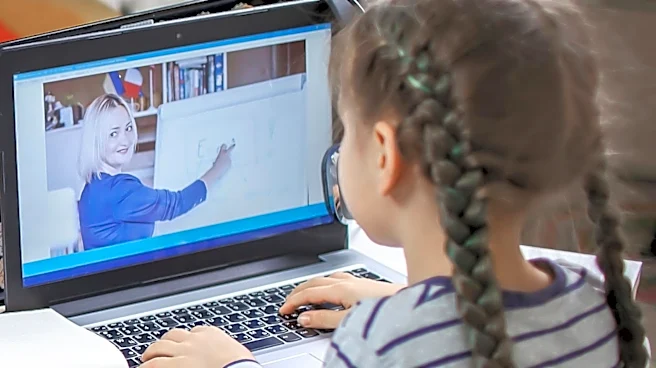
Jenny Aman, a 41-year-old student from Roscoe, South Dakota, is successfully pursuing a bachelor's degree in elementary education at Northern State University, demonstrating how online learning can accommodate complex life schedules. Aman balances her academic
pursuits with raising three daughters, working full-time as a paraprofessional and Title I support staff member at a local school, and serving as head cross country coach and assistant track coach. Her decision to return to college was inspired by her positive experiences coaching student-athletes, which ignited an interest in teaching. Despite having a previous bachelor's degree in Spanish, teaching remained a long-term goal. Northern State University's asynchronous online program provided the necessary flexibility for Aman to manage her responsibilities. Discussions with Dr. Anna Schwan, dean of the Millicent Atkins School of Education, and academic advisor Tim Moffett, helped her visualize how to integrate college into her busy life. Aman utilizes Fridays and weekends, when her school operates on a four-day schedule, to complete much of her coursework, highlighting the adaptability of online education.
Why It's Important?
Jenny Aman's story is important as it highlights the transformative potential of online education for adult learners in the U.S., particularly those with significant family and professional commitments. Her ability to pursue a second degree while working full-time and raising a family demonstrates how flexible learning models can address workforce needs and personal aspirations. This case underscores the value of asynchronous online programs in enabling individuals to upskill or change careers without disrupting their current lives, which is crucial for economic mobility and addressing labor shortages in sectors like education. For institutions like Northern State University, providing accessible online options attracts a diverse student body and fulfills a vital role in community development. Aman's journey also serves as an inspiring example for other adults considering a return to higher education, illustrating that age and existing responsibilities do not have to be barriers to achieving educational and career goals. Her experience reinforces the idea that education is a lifelong endeavor and a powerful tool for personal and professional fulfillment.
What's Next?
Jenny Aman is scheduled to graduate in the fall of 2027 and plans to become an elementary or Title I teacher. She also intends to pursue additional endorsements in reading and literacy, reflecting her passion for these areas. Her current work in an elementary school allows her to immediately apply her academic learning, providing a practical and integrated educational experience. Aman encourages other adults contemplating a return to college to explore their options, emphasizing the importance of discussing their goals with university faculty and staff to understand how a degree can fit into their lives. Northern State University and similar institutions will likely continue to refine and expand their online offerings to cater to the growing demographic of adult learners seeking flexible educational pathways. The success stories of students like Aman will serve as powerful testimonials for the efficacy and accessibility of online learning models in the U.S. educational landscape.
Beyond the Headlines
Aman's narrative extends beyond individual achievement, touching upon broader societal themes such as the evolving role of women in the workforce and education, and the importance of lifelong learning. Her inspiration from her grandmother, who earned her GED in her 50s, highlights a legacy of resilience and the belief that it's 'never too late to do something.' This story challenges traditional notions of college attendance, demonstrating that higher education is increasingly accessible and valuable at different life stages. It also subtly points to the critical role of educational institutions in adapting their programs to meet the diverse needs of modern students, moving beyond the conventional residential college experience. The integration of work, family, and education, as exemplified by Aman, could become a more common model, necessitating continued innovation in educational delivery and support systems. This shift could lead to a more dynamic and inclusive educational ecosystem that better serves the needs of a changing society.