








What's Happening?
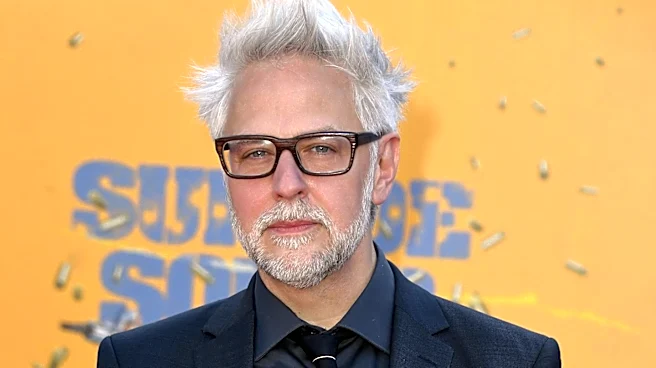
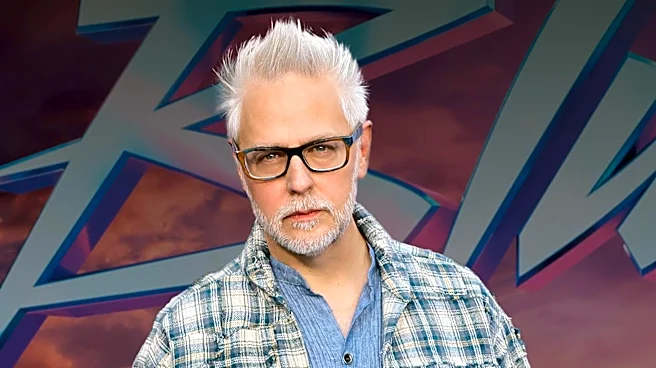
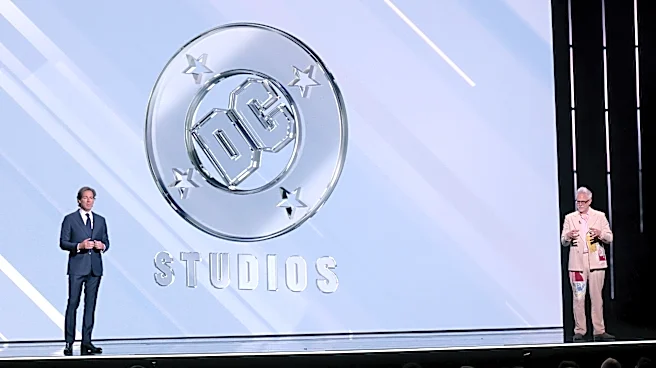
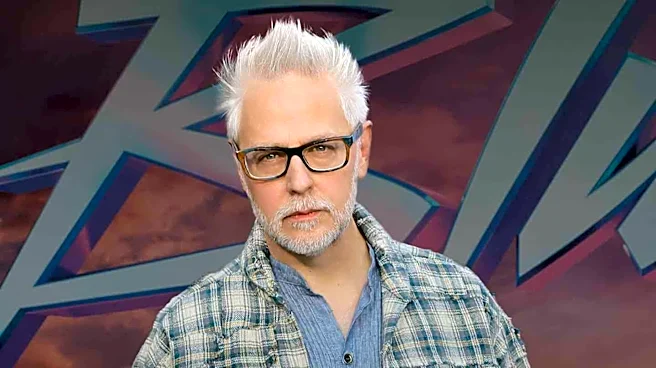
James Gunn, co-CEO of DC Studios, has provided further clarification on the company's 8-to-10-year roadmap, stating it extends beyond mere plot points and interconnected superhero narratives. In a series of online posts, Gunn explained that the comprehensive
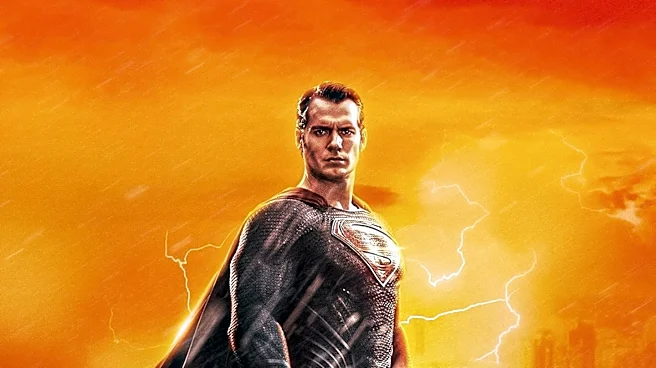
plan encompasses a broader strategy for the DC Universe (DCU), including the development of established characters like Superman, Batman, and Wonder Woman, alongside emerging properties such as Krypto, John Stewart, and Peacemaker. The strategy also prioritizes filmmaker freedom, allowing for diverse tones and ratings across different productions within the same fictional universe. Gunn highlighted that while some projects will be self-contained, others will contribute to a larger narrative, ensuring each installment can stand alone even within a connected storyline. This approach aims to prevent individual films from serving solely as setups for future crossovers, drawing parallels to the storytelling breadth seen in franchises like Star Wars and the narrative depth found in George R.R. Martin's works.
Why It's Important?
This clarification from James Gunn is significant for the future direction of the DCU and its impact on the entertainment industry. By emphasizing creative freedom and a diverse range of storytelling approaches, DC Studios aims to attract a wider array of filmmakers and audiences, potentially leading to more critically acclaimed and commercially successful projects. The focus on developing both established 'diamond characters' and smaller, emerging characters indicates a long-term investment in the intellectual property, aiming to expand the DCU's appeal beyond its core heroes. This strategy could foster a more dynamic and less formulaic cinematic universe, differentiating it from competitors. For consumers, it suggests a richer and more varied viewing experience, with stories that can be enjoyed independently or as part of a larger tapestry, reducing the pressure to follow every single release to understand the overarching narrative.
What's Next?
While Gunn's clarification outlines the strategic principles, specific production commitments and timelines for developing characters like Krypto, John Stewart, and Peacemaker have not yet been announced. The immediate next steps will likely involve DC Studios continuing to greenlight projects that align with this broader vision, balancing standalone stories with those that contribute to larger sagas. Audiences can anticipate future announcements regarding specific films and television series that will exemplify the diverse tones and creative freedoms promised. The industry will be watching to see how DC Studios implements these principles, particularly in how they manage the balance between filmmaker autonomy and overarching narrative consistency. The success of upcoming DCU projects will be crucial in validating this strategic shift and shaping the future of the franchise.
Beyond the Headlines
The deeper implications of Gunn's strategy extend to the evolving landscape of cinematic universes. His emphasis on standalone value within a connected universe challenges the prevailing model where every entry often feels like a stepping stone to a larger event. This approach could set a new standard for franchise storytelling, encouraging more artistic integrity and less reliance on continuous, interconnected narratives. Ethically, it promotes creative expression over strict corporate mandates, potentially leading to more original and impactful storytelling. Culturally, a more diverse and tonally varied DCU could resonate with a broader audience, reflecting a wider range of human experiences and perspectives. This long-term vision suggests a shift towards building a sustainable and artistically rich universe rather than solely focusing on immediate box office returns, potentially influencing how other major studios approach their own expansive franchises.