





What's Happening?
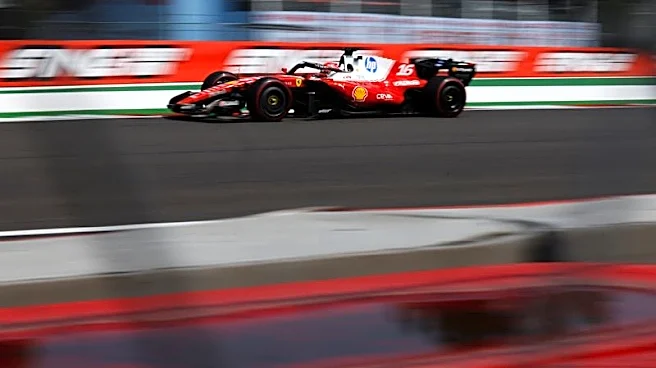
Alpine drivers Franco Colapinto and Pierre Gasly received post-race penalties at the Mexican Grand Prix, leading to the loss of a potential double-points finish for their team. Colapinto, who initially finished eighth and was later elevated to seventh
due to another driver's penalty, was handed a 10-second time penalty for failing to sufficiently slow down under a single-waved yellow flag. Gasly received a harsher stop-and-go penalty, converted to a 30-second time penalty, for not reducing speed under double yellow flags. Both drivers apologized for their infringements, which ultimately dropped Colapinto to 15th and Gasly to 17th in the final classifications. The penalties allowed other drivers, including Liam Lawson, Gabriel Bortoleto, Isack Hadjar, and debutant Ryo Hirakawa, to move up in the standings and secure points.
Why It's Important?
These penalties highlight the strict enforcement of safety regulations in Formula 1, particularly concerning yellow flag infringements. The FIA stewards' decision to penalize both Alpine drivers, despite their team's attempts to present evidence, underscores the importance of driver vigilance and adherence to rules designed to ensure safety during incidents on track. For Alpine, the loss of a double-points finish is a significant setback in the constructors' championship, impacting their standing and potential prize money. Conversely, the penalties created opportunities for other teams and drivers, such as Haas's Ryo Hirakawa, to score unexpected points, which can be crucial for smaller teams' morale and financial prospects. This incident also emphasizes the fine margins in Formula 1, where even minor infractions can drastically alter race outcomes and championship implications.
What's Next?
The immediate consequence for Alpine is the loss of valuable championship points, which could affect their final position in the constructors' standings. Both Colapinto and Gasly will likely face internal reviews and increased scrutiny regarding their adherence to safety protocols in future races. The incident serves as a reminder to all drivers about the critical importance of reacting appropriately to yellow flags, especially as the season progresses and championship battles intensify. Teams will likely reinforce training and communication protocols with their drivers to prevent similar penalties. The amended race results will be finalized, and the focus will shift to the next Grand Prix, where Alpine will aim to recover from this setback and secure points without further infringements.
Beyond the Headlines
This event touches upon the broader theme of driver responsibility and the role of technology in race officiating. While drivers are expected to react instinctively, the use of telemetry and detailed analysis by stewards demonstrates the increasing precision with which rules are enforced. The apologies from Colapinto and Gasly reflect the high-pressure environment of Formula 1, where even experienced drivers can make errors with significant consequences. The incident also sparks debate about the severity of penalties for yellow flag infringements versus other racing incidents, and whether the current system effectively balances safety with competitive fairness. The ripple effect of these penalties, benefiting other drivers and teams, illustrates how a single incident can reshape the narrative and fortunes across the entire grid, highlighting the interconnectedness of competition in motorsport.